Air Conditioning Repair: Common Service Topics to Know
Air conditioning has a flair for drama. It rarely fails on a mild Tuesday morning when everyone has time, patience, and a clean calendar. No, it prefers a holiday weekend, a dinner party, or the first sticky night of the season when the house feels less like a home and more like a slow cooker with curtains.
That is why understanding common air conditioning repair topics is useful, even if you have no intention of becoming the person in the neighborhood who owns three gauges, a refrigerant scale, and opinions about duct static pressure. A little knowledge helps you describe the problem clearly, ask better questions, and avoid treating every cooling issue like a mystery novel with a very expensive final chapter.
Air conditioning repair sits inside the broader world of HVAC work, the trade category that covers heating, ventilation, and air conditioning. A qualified Air conditioning contractor may handle installation, maintenance, repairs, duct-related work, and the plumbing or electrical connections associated with heating and cooling equipment. In many homes and buildings, the same service company may also offer Plumbing leak repair, Drain cleaning, Water heater repair, Furnace repair service, Heat pump installation, and related work. That overlap matters because comfort systems are not islands. They share space with drains, wiring, gas lines, water lines, and occasionally one very irritated homeowner standing in the hallway holding a flashlight.
What counts as air conditioning repair?
Air conditioning repair is the work done to diagnose and correct a cooling system that is not operating as it should. That may mean the unit will not turn on, runs constantly, cools poorly, leaks water, makes strange noises, trips a breaker, or simply behaves like it has developed a personal grudge against August.
An Air conditioning repair service usually begins with diagnosis rather than parts swapping. That distinction is important. Replacing parts without testing is not repair, it is mechanical guessing with an invoice printer attached. A trained technician looks at the system as a whole: thermostat calls, electrical controls, refrigerant circuit, airflow, condensate drainage, fan operation, and equipment condition. Depending on the system, the work may involve indoor and outdoor components, ductwork, heat pump controls, or related electrical connections.
The trade itself is recognized separately from general handyman work for good reason. HVAC systems involve electrical circuits, refrigerants, mechanical components, and, in some cases, equipment tied to heating, plumbing, or gas service. The same building may require an Air conditioning contractor, Electrician, Plumber, Heating contractor, or Gas installation service depending on what is being repaired or installed. Good companies understand where their scope ends and where another licensed trade needs to step in. Bad ones treat licensing like a buffet.
Cooling trouble often starts with airflow
Airflow is the unsung hero of air conditioning. Everyone talks about refrigerant because it sounds technical and vaguely space-age, but many comfort complaints start with plain old air not moving properly. If the system cannot move enough air across the indoor coil and through the occupied space, performance drops. The house may feel muggy, uneven, or only partially cooled. Rooms at the end of a duct run may behave like they were annexed by another climate zone.
Airflow issues can come from neglected filters, blocked return grilles, dirty indoor coils, failing blower components, poorly designed ducts, closed registers, or furniture placed with the strategic insight of a raccoon. A technician may check temperature differences, fan operation, duct conditions, and signs of restriction. Not every airflow problem is dramatic. Sometimes the fix is embarrassingly simple. Other times the system has been limping along for years because the ductwork never matched the equipment.
This is where Air conditioning maintenance earns its keep. A system that is cleaned, checked, and adjusted at regular intervals has a better chance of doing its job without turning into a summer hostage situation. Maintenance does not make equipment immortal, but neither does flossing, and dentists still seem fairly confident about it.
Refrigerant charge is not a topping you sprinkle on
One of the most common phrases homeowners hear is, “It just needs Freon,” though that wording is often used loosely for refrigerant in general. The casual phrasing makes refrigerant sound like windshield washer fluid. It is not. Proper refrigerant charging is part of correct HVAC installation and service, and it affects both energy use and failure risk. An air conditioner or heat pump needs the right charge for the equipment and conditions. Too little or too much refrigerant can hurt performance and reliability.
A responsible technician does not simply “top off” refrigerant and call it a day, especially if the system has lost charge. Air conditioning systems are closed circuits. If refrigerant is missing, there is a reason. That reason might be a leak, a previous service error, or another system condition that needs investigation. The repair conversation should include whether leak detection is appropriate, whether a repair is practical, and whether the system’s age or condition changes the decision.
There is also a regulatory side. Air conditioners and refrigeration equipment fall under federal refrigerant rules, and technicians who maintain, service, or repair them work within that framework. Homeowners do not need to memorize refrigerant regulations, but they should recognize that refrigerant handling is not a casual DIY project. If someone offers to “gas it up” like a lawn mower, politely back away and keep your checkbook in a defensive posture.
Electrical issues wear many disguises
Air conditioners need electricity, and electrical problems can look like cooling problems at first glance. A system that will not start may have a failed capacitor, contactor, motor, control board, thermostat issue, disconnect problem, or wiring fault. A system that trips a breaker may have a failing component, a short, a motor drawing too much current, or a problem that belongs squarely in Electrician territory.
This is one reason HVAC service and electrical work often brush shoulders. An Air conditioning repair service may diagnose and replace certain equipment electrical components within its scope, but broader electrical defects may require an Electrician. Nobody wins when trades pretend boundaries are decorative. If the issue involves panel work, dedicated circuits, lighting circuits, or building wiring beyond the HVAC equipment, it may be time for an electrical professional. A Lighting contractor might also be involved in a larger property service context, but lighting and cooling are not the same problem just because both make rooms more livable.
Electrical diagnosis rewards methodical work. The technician should verify power, control signals, safety switches, motor operation, and component condition. Guesswork here can be expensive and occasionally exciting in the wrong way. The goal is not merely to make the unit start once while everyone cheers. The goal is to find why it failed and whether the repair will hold under real operating conditions.
When water shows up where water has no invitation
Air conditioners remove moisture from indoor air. That moisture has to go somewhere, typically through a condensate drain. When drainage fails, water may appear near the indoor unit, around ceilings, in closets, or in places that cause homeowners to say words not found in polite warranty brochures.
Condensate problems may involve clogged drain lines, cracked pans, poor slope, disconnected piping, or related drain defects. In a combined service company, this is where HVAC and plumbing skills can meet. A Plumber may handle Plumbing leak repair, Drain cleaning, Rooter service, Hydrojetting, or broader drainage work, while the HVAC technician handles the air conditioning equipment and condensate components tied to it. The right division depends on the building and the actual fault.
A small condensate clog can become a larger nuisance if ignored. Water damage does not care that the cooling system is otherwise very talented. If a system has a safety switch that shuts it down when condensate backs up, that shutdown is not the unit being moody. It is trying to keep the ceiling from auditioning for a waterfall documentary.
Heat pumps add a few extra plot twists
A heat pump can cool like an air conditioner and provide heating as well. That dual role makes it efficient in many applications, but it also adds diagnostic complexity. Heat pump installation, repair, and maintenance involve cooling operation, heating operation, reversing valve function, controls, airflow, refrigerant charge, and sometimes auxiliary heat depending on the system design.
When a heat pump fails in cooling mode, the symptoms may resemble a standard air conditioning repair call. When it fails in heating mode, the conversation may shift toward Heating contractor services. Because heat pumps straddle both comfort seasons, maintenance matters. A neglected heat pump may be asked to work in warm weather, cool weather, and the awkward shoulder seasons when the thermostat changes its mind twice before lunch.
Correct installation matters here too. Proper HVAC installation includes correct equipment sizing and refrigerant charging. Oversized or undersized equipment can create comfort and performance problems. A system that is too large may cool quickly without managing humidity well. A system that is too small may run constantly and still lag behind demand. Sizing is not a vibes-based exercise, even though “bigger unit” remains a popular folk remedy in the same way “add more cheese” fixes dinner.
The thermostat is not always innocent, but it is often blamed
The thermostat gets accused of everything because it is visible, has buttons, and sometimes looks smug. It can absolutely cause trouble. Plumber Bad settings, weak batteries, wiring issues, location problems, or internal failure can prevent proper system operation. But many thermostats are merely messengers. They call for cooling, the system fails to respond, and the thermostat gets blamed like the intern in a chaotic office.
A technician will usually determine whether the thermostat is sending the correct signal and whether the equipment responds. Smart thermostats can add another layer, especially if they were installed without confirming compatibility with the HVAC system. Some systems need specific wiring or control arrangements. The cleanest-looking thermostat installation on the wall can still be wrong behind the faceplate.
Before calling for service, it is reasonable to check basic settings, cooling mode, set temperature, and batteries if applicable. That said, if changing settings does not produce normal operation, poking random wires is not a diagnostic strategy. It is a way to turn a cooling issue into a cooling-and-electrical issue, which is less fun and usually less cheap.
Repair, maintenance, and tune-up are cousins, not triplets
People often use Air conditioning maintenance, Air conditioning tune-up, and Air conditioning repair interchangeably. They overlap, but they are not identical. Maintenance and tune-ups are usually proactive. Repair is corrective. The first tries to keep trouble from arriving in a cape. The second deals with trouble after it has already kicked in the door.
A maintenance visit may include cleaning, inspection, performance checks, and adjustments. The exact scope depends on the contractor and system type, so it is worth asking what is included rather than assuming the word “tune-up” has one universal meaning carved into a tablet somewhere. Some visits focus on operational checks and cleaning accessible components. Others may be more comprehensive.
Repair happens when a specific fault needs diagnosis and correction. A tune-up may discover a weak component or condition that should be addressed before failure. That is not the same as inventing problems. The difference lies in evidence. A reputable technician explains findings, shows readings or visible defects when practical, and distinguishes between urgent safety or operational concerns and “keep an eye on this” items.
Common symptoms worth describing clearly
When you call for service, the way you describe the problem helps the dispatcher and technician prepare. You do not need trade jargon. In fact, confident but incorrect jargon can send everyone down the wrong hallway. Plain details are better.
Here are a few useful observations to share:
- Whether the indoor fan runs, the outdoor unit runs, both run, or neither runs.
- Whether the system cools poorly, does not cool at all, runs constantly, or shuts off quickly.
- Whether water is leaking, where it appears, and when it started.
- Whether breakers have tripped, strange noises occurred, or burning smells appeared.
- Whether recent work was done, such as thermostat replacement, electrical work, duct changes, or plumbing repairs nearby.
Those five details can save time. They do not replace diagnosis, but they give the technician a head start. “It’s broken” is emotionally accurate, yet technically underfed. “The indoor fan runs, the outdoor unit hums but does not start, and the breaker has not tripped” is much more useful. It may not make you a technician, but it does make you the kind of customer service people remember fondly, which is a rare social achievement.
When air conditioning repair overlaps with plumbing
HVAC and plumbing share more territory than people expect. Condensate drains are the obvious connection, but mechanical rooms often pack air handlers, water heaters, furnaces, drains, gas lines, pumps, and valves into the same square footage. A service business may offer both Air conditioning repair and plumbing services because buildings do not organize themselves into neat textbook chapters.
Water heater repair and Water heater installation may happen in the same utility area as HVAC equipment. Plumbing repiping can affect access or layout around mechanical systems. Water softener installation may share plumbing planning considerations. Septic system service sits farther from the air conditioner itself, but it belongs to the same practical universe of home systems that need qualified trade work rather than wishful thinking and a borrowed wrench.
Drain cleaning, Rooter service, and Hydrojetting are plumbing services, not air conditioning services, but they can matter when drainage issues are confused. For example, water near indoor equipment might be condensate, a plumbing leak, or something else entirely. The correct repair depends on identifying the source. A wet floor does not carry a little flag announcing which trade it belongs to, though that would be helpful and frankly overdue.
Heating equipment may enter the conversation
In many homes, the cooling system shares components with heating equipment. A furnace may use the same blower and duct system that moves cool air during air conditioning season. That means a cooling complaint can involve parts also relevant to Furnace repair service. If the blower is failing, airflow suffers in both seasons. If duct issues exist, they do not politely disappear when the thermostat changes modes.
A Heating contractor may also handle furnaces, heat pumps, and other heating equipment. Gas installation service may be relevant where gas-fired equipment is installed or modified. Those areas require careful trade knowledge because gas, combustion, ventilation, and electrical controls are not forgiving of casual experimentation.
The practical takeaway is simple: air conditioning repair is often part of a larger comfort system. Treating the outdoor unit as the whole system is like diagnosing a car by staring only at the rear bumper. Sometimes the problem is outside. Sometimes it is inside. Sometimes it is in the control wiring, ductwork, drain, blower, or equipment sizing. The system does not care which part is most convenient to blame.
Installation quality shows up later as repair trouble
Some repair calls are not caused by bad luck. They are delayed consequences. Improper equipment sizing, poor refrigerant charging, weak airflow design, or sloppy installation can create performance problems that show up as comfort complaints, high energy use, premature component stress, or repeated service calls.
Proper HVAC installation includes correct sizing and correct refrigerant charging. That matters because a system is not just a box that makes cold air. It is a matched arrangement of equipment, airflow, controls, refrigerant circuit, and building conditions. A good installation makes later maintenance and service easier. A poor one leaves clues everywhere, often in the form of uneven temperatures, recurring faults, noisy operation, or technicians muttering quietly while removing access panels.
Homeowners sometimes ask whether repair or replacement makes more sense. The answer depends on age, condition, repair cost, availability of parts, system performance, and whether the existing equipment was properly selected and installed. There is no honest universal rule. A minor repair on otherwise solid equipment may be sensible. A major repair on a chronically troubled system may be throwing good money into a machine that has already written its resignation letter.
Click here for info
What a competent service visit feels like
A good service visit has a rhythm. The technician asks what happened, verifies the complaint, checks basic operation, tests likely causes, and explains findings in language that does not require a decoder ring. They may need time to diagnose, especially if the failure is intermittent or tied to operating conditions. The best technicians are curious without being theatrical.
You should expect clear communication about the problem, the proposed repair, and any limits of the repair. For example, replacing a failed capacitor may get the system running, but it does not guarantee every other component is new by association. Clearing a condensate drain may solve the immediate water backup, but old piping or poor routing may still deserve attention. Repair restores function. It does not rewind the equipment’s age like a spa weekend.
There is also a difference between offering options and pressuring someone into panic decisions. A technician may recommend maintenance, repairs, or replacement based on condition. That is normal. But the explanation should connect to observable facts: failed part, poor readings, visible damage, improper charge, airflow restriction, or equipment condition. “Because I said so” is not a diagnosis. It is what toddlers and terrible contractors have in common.
What homeowners can safely check before calling
There are a few simple checks that do not require removing panels, handling refrigerant, opening electrical compartments, or bargaining with machinery. These checks can prevent an unnecessary service call or at least sharpen the description of the problem.
- Confirm the thermostat is set to cooling and the set temperature is below room temperature.
- Check whether the air filter is extremely dirty or blocked.
- Make sure supply and return vents are not covered by furniture, rugs, or heroic piles of laundry.
- Look for a tripped breaker, but do not keep resetting it if it trips again.
- Note any water, ice, noise, smell, or recent changes before turning the system off and calling.
That is the safe lane. Stay in it. If you see ice on the system, smell burning, hear alarming electrical noises, or find water where it can damage ceilings or flooring, shutting the system down and calling a professional is usually wiser than waiting for the situation to develop character.
Why “just one more summer” can get expensive
Every contractor has seen the system that was supposed to survive “just one more summer.” Sometimes it does. Sometimes it chooses the hottest week of the year to collapse like a Victorian fainting couch. Deferred maintenance and ignored symptoms can turn small problems into larger ones. Weak airflow may strain operation. Improper charge may affect performance and reliability. Water drainage trouble may damage property. Electrical issues may worsen or create safety concerns.
This does not mean every odd sound requires immediate replacement of the entire system and possibly the zip code. Judgment matters. Some noises are minor. Some performance issues are correctable. Some older systems continue to run acceptably with reasonable maintenance. The trick is knowing when a symptom is harmless, when it is a warning, and when it is the mechanical equivalent of a smoke alarm holding a megaphone.
An Air conditioning tune-up before peak season gives you a chance to catch issues when contractors are not buried under emergency calls. It also gives you time to plan. Emergency decisions are rarely elegant. People do not compare options well when the upstairs bedroom is 87 degrees and the dog is lying dramatically on the tile like a melted marshmallow.
Choosing the right contractor for the job
The right contractor depends on the problem. An Air conditioning contractor is the natural call for cooling equipment repair, maintenance, and installation. A Heating contractor may be involved with furnaces, heat pumps, and heating equipment. A Plumber handles plumbing systems, leaks, drains, water heaters, repiping, softeners, and related water or waste piping. An Electrician handles electrical work beyond the HVAC equipment’s service scope. A Gas installation service belongs in the picture when gas piping or gas-fired equipment installation is involved.
Many service businesses offer several of these trades under one roof, especially plumbing and HVAC. That can be convenient when a problem crosses boundaries. A condensate drain issue, a furnace blower issue affecting cooling, or a mechanical room with both Water heater installation and HVAC work may benefit from a company that understands multiple systems. Still, convenience should not replace competence. Ask whether the company performs the specific service you need and whether the technician assigned is qualified for that work.
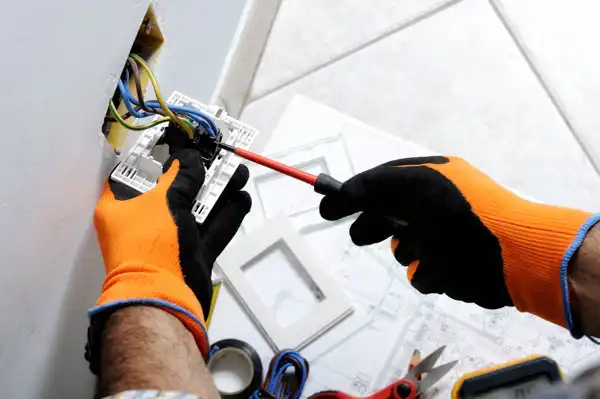
There is a quiet confidence in a contractor who says, “That part needs an electrician,” or “This is a plumbing issue, not the air conditioner.” That honesty saves time and prevents creative billing. Buildings already contain enough mysteries. The service process does not need more.
The common repair topics, translated into normal language
Most air conditioning repair conversations eventually circle a handful of themes: airflow, refrigerant, electrical operation, drainage, controls, equipment condition, and installation quality. Each one can affect comfort. Each one can masquerade as another. Poor airflow can look like low refrigerant. A thermostat issue can look like equipment failure. A clogged drain can shut down cooling. A failing blower can turn both air conditioning and furnace performance into a family debate.
The homeowner’s role is not to solve the puzzle before the technician arrives. Your role is to notice symptoms, avoid unsafe tinkering, keep up with maintenance, and choose qualified help. The contractor’s role is to diagnose carefully, repair within the appropriate trade scope, and explain the work without hiding behind jargon.
Air conditioning repair is not glamorous. No one writes ballads about condensate drains. But when the system works, the house feels normal again, and normal is underrated. The best repair is the one that addresses the real cause, respects the surrounding systems, and leaves the equipment running the way it was meant to run. The second-best repair is the one that teaches you enough to catch the next problem earlier, preferably before the air conditioner schedules its dramatic exit during the hottest week on the calendar.
Name: Service Lion Plumbing Heating Air Electric
Address: 521 W Briardale Ave, Orange, CA 92865, United States
Phone: (657) 567-7305
Website: https://callservicelion.com/
Email: [email protected]
Hours:
Monday: Open 24 hours
Tuesday: Open 24 hours
Wednesday: Open 24 hours
Thursday: Open 24 hours
Friday: Open 24 hours
Saturday: Open 24 hours
Sunday: Open 24 hours
Open-location code: R48R+WV Orange, California, USA
Map/listing URL:
https://www.google.com/maps/search/?api=1&query=Google&query_place_id=ChIJQU4LBWHV3IARtnABtyykSA4
Google Map:
Socials:
https://www.facebook.com/ServiceLionCA/
https://www.youtube.com/channel/UCR_L35QzsRTxYZtX8PxJvPw
Local Service Information
Service Lion Plumbing Heating Air Electric provides plumbing, drain, heating, air conditioning, and electrical services from its Orange, California location.The company serves homeowners and properties throughout Orange and communities across Orange County and surrounding areas.
Available services include plumbing repairs, water heater work, drain and sewer services, heating and cooling service, electrical repairs, panels, lighting, outlets, and related home-system work.
Service is available for residential properties as well as light commercial needs described within the company's local service-area information.
The company's website emphasizes locally operated service, coordinated home-system support, and practical scheduling for plumbing, HVAC, and electrical needs.
The matching public business listing shows the Orange location as open 24 hours a day, seven days a week.
For service information or scheduling, call (657) 567-7305 or visit https://callservicelion.com/.
The public map listing identifies the business at 521 W Briardale Ave, Orange, CA 92865 and can be used for location and direction information.
Popular Questions About Service Lion Plumbing Heating Air Electric
What services does Service Lion Plumbing Heating Air Electric provide?
The company provides plumbing, drain and sewer, heating, air conditioning, and electrical services. Its published services include plumbing repair, water heaters, drain clearing, sewer work, HVAC repair and installation, electrical repairs, panels, circuit breakers, lighting, outlets, and related services.
Where is Service Lion Plumbing Heating Air Electric located?
The matching business location is 521 W Briardale Ave, Orange, CA 92865, United States.
What areas does Service Lion Plumbing Heating Air Electric serve?
The company serves Orange County and surrounding communities. Its published service-area information includes Orange, Anaheim, Brea, Yorba Linda, Fullerton, Huntington Beach, Newport Beach, Costa Mesa, Irvine, Lake Forest, and additional nearby cities.
Is Service Lion Plumbing Heating Air Electric open 24 hours?
The matching public business listing shows the location as open 24 hours on Monday through Sunday.
Does Service Lion Plumbing Heating Air Electric work on drains and sewer lines?
Yes. Published services include drain clearing, rooter service, camera inspection, hydro jetting, sewer line repair and installation, water line work, slab leak detection, and trenchless sewer line repair.
Does Service Lion Plumbing Heating Air Electric provide heating and air conditioning service?
Yes. Its published HVAC services include air conditioning repair and installation, heating service, furnace work, heat pumps, air ducts, indoor air quality assessments, and thermostat installation.
Does Service Lion Plumbing Heating Air Electric provide electrical service?
Yes. Published electrical services include repairs and installations, electrical panels, circuit breakers, safety inspections, lighting, outlets and switches, surge protection, generators, and EV charging equipment installation.
How can I contact Service Lion Plumbing Heating Air Electric?
Call (657) 567-7305.
Email: [email protected]
Website: https://callservicelion.com/
Facebook: https://www.facebook.com/ServiceLionCA/
Landmarks Near Orange, California
Old Towne Orange Historic District
A central historic district and useful geographic reference point for the Orange community.
Plaza Park
A well-known public gathering point in the center of Old Towne Orange.
Orange Public Library & History Center
A civic landmark serving residents near central Orange.
Hart Park
A major public park and recreation area south of central Orange.
Eisenhower Park
A public park serving neighborhoods in northern Orange.
Santiago Oaks Regional Park
A regional recreation and open-space landmark on the eastern side of Orange.
Irvine Regional Park
A large regional park and recognizable reference point east of the city.
Orange Park Acres
A distinctive residential community and service-area reference point in eastern Orange.
El Modena
An established Orange neighborhood that provides a practical local coverage reference.
Glassell Street
One of the city's principal north-south streets and a useful route through central Orange.
Lincoln Avenue
A major east-west roadway serving northern Orange and nearby communities.
State Route 55
A primary regional freeway connecting Orange with other parts of Orange County.