Air Conditioning Repair Service for Thermostat and Sensor Problems
A misbehaving air conditioner loves drama. It will cool the hallway like a meat locker, ignore the bedroom completely, short-cycle every six minutes like it has stage fright, then sit there blinking at you from the thermostat as if you caused the problem by wanting comfort.
Thermostat and sensor issues are some of the most common reasons homeowners call for an air conditioning repair service, and they are also among the easiest problems to misunderstand. People tend to blame the big expensive equipment first. The outdoor unit gets the glare. The compressor gets accused. Someone taps the thermostat with one finger, which is the homeowner version of cross-examination. Yet quite often, the problem is not that the air conditioner cannot cool. It is that the system is getting bad information.
An air conditioning system is only as smart as the signals it receives. If the thermostat is reading the wrong temperature, installed in a terrible location, wired incorrectly, losing power, or fighting with a faulty sensor, the equipment can behave like a perfectly good orchestra following a conductor who dropped the sheet music in a puddle.
The thermostat is not just a fancy wall decoration
The thermostat’s job sounds simple: read the room temperature, compare it with the set temperature, then tell the cooling system when to start and stop. In practice, that little box on the wall becomes the referee between comfort, energy use, humidity, airflow, and the mechanical limits of the equipment.
Older thermostats were basic switches. Many contained a bimetal coil or mercury bulb, and unless they were dirty, unlevel, or worn out, they usually failed in fairly obvious ways. Modern thermostats are far more capable. They may control cooling stages, heating stages, fan schedules, humidity settings, heat pump installation features, furnace repair service functions, and smart-home connections. Some even learn routines, track outdoor weather, and send alerts when the system runs longer than expected.
That extra intelligence is useful, right up until it isn’t. A thermostat with the wrong programming, a failing relay, loose wiring, a bad temperature sensor, or a confused Wi-Fi schedule can make a healthy air conditioner look sick. I have seen homeowners replace capacitors, clean coils, and even price out new equipment when the real culprit was a thermostat mounted six inches above a lamp. The lamp was winning every argument.
A reliable air conditioning contractor starts with the controls because bad controls create weird symptoms. If the thermostat says the room is 72 when it is actually 78, the outdoor unit may shut off early. If it says the room is 83 because sunlight hits it every afternoon, the system may run endlessly and turn the rest of the house into a produce cooler. Neither condition Plumber means the air conditioner itself has failed. It means the messenger needs questioning.
When the room feels wrong but the thermostat looks innocent
Thermostat problems often arrive wearing disguises. The display may look normal. The set temperature may be correct. The system may turn on and off. That makes the trouble more irritating, because nothing is obviously broken enough to satisfy anyone.
One common complaint is uneven cooling. The thermostat reaches the set point, but certain rooms stay warm. Sometimes this is a ductwork or insulation issue, and sometimes it is an airflow problem that belongs under air conditioning maintenance rather than control repair. But the thermostat location matters more than people think. If it sits near a supply vent, it may feel cool air before the rest of the house does and shut the system down too soon. If it sits near the kitchen, the air conditioner may run every time someone bakes chicken. That is not climate control. That is poultry-based cooling demand.
Another classic symptom is short cycling, where the air conditioner starts, runs briefly, shuts off, and repeats. Short cycling can come from serious mechanical problems, including low refrigerant, dirty coils, oversized equipment, or high-pressure safety trips. Still, a thermostat with poor placement, loose wire connections, or a bad anticipator setting on older models can also cause rapid cycling. Frequent starting is hard on compressors and contactors, so it deserves prompt air conditioning repair, not a week of “let’s see what happens.”
Then there is the opposite problem: long run times. Long run times are not always bad. On a hot day, a properly sized air conditioner may run for extended periods, especially when it is also removing humidity. But if the system never satisfies the thermostat, or if it overshoots the set point by several degrees, the control side deserves attention. Calibration drift, sensor failure, wrong thermostat configuration, or communication errors can all stretch run time beyond reason.
The more advanced the system, the more important configuration becomes. A thermostat set up for a conventional air conditioner may not properly control a heat pump. A two-stage system wired as single-stage may lose comfort and efficiency. A variable-speed air handler paired with the wrong thermostat may still run, but not well. “It turns on” is not the same as “it operates correctly,” a distinction many service technicians learn after their third cup of gas station coffee.
Sensors: the quiet troublemakers
Thermostats often contain the primary temperature sensor, but many systems use additional sensors. Some are mounted in return air ducts. Some are remote room sensors paired with smart thermostats. Some systems use outdoor sensors to manage heat pump operation, defrost cycles, or balance points between electric heat, gas heat, and auxiliary heating. Commercial and higher-end residential systems can have discharge air sensors, coil sensors, humidity sensors, pressure sensors, and safety switches.
The evaporator coil sensor, for example, may help prevent freezing. If it reads incorrectly, the system may shut down even though the coil is fine, or keep running while ice forms. A frozen evaporator coil is not subtle once it gets going. Airflow drops, the house warms up, and eventually water may appear where water should not be. At that point, homeowners sometimes call a Plumber because they see dripping near the indoor unit. Fair enough. Water on the floor invites plumbing thoughts. But if the condensate drain is clear and the coil is a block of frost, the better call is often an air conditioning repair service.
Condensate safety switches are another small device with outsized authority. Many systems include a float switch that shuts down cooling if the drain pan fills with water. This protects ceilings, floors, and your patience. A clogged condensate line can trip the switch, making it seem like the thermostat is dead or the AC refuses to start. Depending on the setup, clearing the drain may involve simple vacuuming, more serious Drain cleaning, or a conversation about why algae has turned your condensate line into a tiny swamp. In some homes, especially where plumbing and HVAC drains meet in creative ways, a company that handles both Rooter service and air conditioning maintenance can save a second appointment.
Remote room sensors create their own comedy. They are useful when one thermostat location cannot represent the whole house. A sensor in the primary bedroom can help nighttime comfort. A sensor in a home office can keep a work area comfortable during the day. But if someone places the sensor on a bookshelf beside a gaming computer, inside a sunny nursery, or near a drafty window, the system follows that bad reading like a loyal but misguided dog.
The usual suspects behind thermostat and sensor trouble
Thermostat and sensor problems come from a handful of repeat offenders. None of them are glamorous, which is typical. Houses rarely choose glamorous failure. They choose loose wires and dead batteries.
Batteries are the simplest. Some thermostats use batteries only for backup, while others rely on them for operation. Weak batteries can cause blank screens, intermittent calls for cooling, or strange display behavior. If replacing batteries fixes the problem, enjoy the rare household repair that costs less than lunch.
Power issues are next. Many modern thermostats need a common wire, usually called the C wire, to provide continuous 24-volt power. Without it, some thermostats steal power through the HVAC circuit. That can work poorly, especially with certain control boards. Symptoms may include random reboots, Wi-Fi dropouts, relays clicking, or the air conditioner starting and stopping unpredictably. This is where an Electrician might seem like the right person, and sometimes electrical expertise is needed, but thermostat low-voltage wiring is usually HVAC territory. The distinction matters because the wires may be small, but they control expensive equipment.
Loose connections are common after thermostat replacement. A homeowner installs a new smart thermostat, takes a picture of the old wiring, then discovers the old wiring made sense only to the person who installed it in 1997. The red wire might not be on R. The blue wire might not be common. Colors are conventions, not laws. I have opened thermostats where wire colors looked like someone sorted them during a power outage. A heating contractor or air conditioning contractor checks function, not just color.
Configuration errors are equally sneaky. Thermostats must be told what type of system they control: gas furnace with AC, electric air handler, heat pump, dual fuel, single-stage cooling, multi-stage cooling, fan control by furnace board or thermostat, and so on. Choose the wrong setup, and the system may energize the wrong terminals. In mild cases, comfort suffers. In ugly cases, cooling and heating can fight each other, which is as wasteful as running the shower to humidify the garage.
Sensor drift also happens. Electronics age. Dust collects. Sunlight, wall cavities, and household drafts distort readings. A thermostat mounted on an exterior wall may read warmer or colder because the wall temperature influences it. A hole behind the thermostat where wires pass through can allow attic, basement, or wall-cavity air to blow across the sensor. I have seen a thermostat read three to five degrees off because unconditioned air leaked through the wall behind it. A dab of proper sealant behind the sub-base fixed what looked like a system capacity problem.
Why thermostat location matters more than thermostat price
A $300 smart thermostat in a bad location is just an expensive liar.
The best thermostat location is usually on an interior wall, near the main return path, away from direct sunlight, supply vents, exterior doors, kitchen heat, fireplaces, lamps, televisions, and appliances. It should sense the average living area, not the emotional weather of one weird corner.
Older homes complicate this. Many thermostats were placed wherever wiring was easiest, not where temperature measurement made sense. In homes that have gone through additions, remodeling, Plumbing repiping, or new insulation, the original thermostat location may no longer represent the actual living space. Move a return grille, add a large window, convert a garage, or close off a hallway, and the thermostat may suddenly become a poor judge.
Relocating a thermostat can be straightforward if there is attic or basement access. It can also be a wall-fishing adventure featuring plaster, framing surprises, and language unsuitable for a family newsletter. Wireless remote sensors sometimes solve the problem without moving the thermostat, but they require proper placement and setup. Averaging multiple sensors can help, although it may disappoint the person whose bedroom runs hotter than everywhere else. Comfort is political. Every household has a senator from the upstairs bedroom.
Zoning systems add another layer. Each zone has its own thermostat or sensor, and dampers direct airflow. When zoning works, it feels civilized. When it fails, one area gets over-conditioned while another starves. Problems may come from a bad zone sensor, damper motor, control panel, bypass setup, or poor design. A thermostat complaint in a zoned home should never be diagnosed in isolation. The entire control strategy needs review.
Smart thermostats: brilliant, bossy, and occasionally wrong
Smart thermostats have earned their place. They can reduce waste, improve scheduling, monitor run times, and help homeowners notice problems early. A good smart thermostat can also make an air conditioning tune-up more productive because run-time data helps reveal patterns. If the system runs much longer than usual at similar outdoor temperatures, something changed. Maybe the filter is plugged. Maybe the outdoor coil is dirty. Maybe a sensor is lying through its tiny plastic teeth.
But smart thermostats can create confusion. Learning algorithms may decide you like a schedule you do not remember approving. Eco modes may let the house drift warmer than expected. Geofencing may think you are away when your phone battery dies, which is rude but technologically consistent. Utility demand-response programs may adjust settings during peak periods if you enrolled. Vacation schedules can linger. App permissions can let one family member wage temperature warfare from a grocery store parking lot.
Wi-Fi issues do not usually stop basic cooling if the thermostat is properly installed, but they can affect remote control and alerts. Power stealing without a C wire can cause reboots. Firmware updates may change menus or behavior. Some thermostats require accessory setup for humidifiers, dehumidifiers, or ventilation equipment. A Lighting contractor would not install a chandelier without knowing which switch controls what, and HVAC controls deserve the same respect.
The biggest smart thermostat mistake is installing one without confirming system compatibility. Not every thermostat works with every heat pump, communicating system, dual-fuel setup, or multi-stage unit. Some manufacturer-specific systems need proprietary controls to manage blower speed, staging, diagnostics, and efficiency features. Replacing that control with a generic smart thermostat can downgrade performance. It may still cool, but so does opening the freezer door until someone yells.
What a proper service call should include
A careful technician does not simply stare at the thermostat, nod gravely, and sell you a new one. Thermostat and sensor diagnosis should connect the symptom to actual measurements. The technician should compare the thermostat reading with a known accurate thermometer, check placement, inspect wiring, verify low-voltage power, test calls for cooling and fan operation, and confirm the equipment responds correctly.
For systems with remote sensors, each sensor should be identified and checked. That sounds obvious, but in real houses, sensors get painted over, moved behind furniture, renamed in apps, or assigned to the wrong schedule. If the thermostat averages the downstairs hallway with a sensor in a sunny upstairs bedroom, comfort complaints will not solve themselves.
Here is a compact version of what a well-run diagnostic visit often covers:
- Confirm the homeowner’s complaint in plain language, including when it happens and which rooms feel wrong.
- Compare thermostat and sensor readings against reliable temperature measurements.
- Inspect thermostat wiring, voltage, batteries, configuration, and system compatibility.
- Test equipment operation at the air handler, furnace, heat pump, and outdoor unit as applicable.
- Check related issues such as airflow, filter condition, condensate safety switches, and drain problems.
That is one list, and it earns its keep. The important point is that thermostat diagnosis belongs inside system diagnosis. A thermostat is not a standalone gadget. It is the steering wheel, and steering complaints still require checking whether the wheels are attached.
When the problem is not the thermostat
Every technician has met the thermostat that got blamed for crimes committed elsewhere. The thermostat is visible, so it becomes the suspect. The refrigerant charge is hidden. The return duct leak is hidden. The clogged evaporator coil is hidden. The thermostat sits in the hallway looking guilty.
If the thermostat calls for cooling and the outdoor unit does not start, the issue could be a contactor, capacitor, control board, transformer, float switch, pressure switch, broken low-voltage wire, or high-voltage power problem. If the outdoor unit runs but the indoor blower does not, the issue may involve the blower motor, control board, relay, belt on older equipment, or furnace interlock. If both run but the air is not cold, refrigerant circuit diagnosis comes next. That might mean a leak, metering device issue, compressor problem, or dirty coil.
Airflow problems mimic thermostat problems too. A clogged filter can make the system run longer and cool poorly. Closed supply registers can create pressure problems. Undersized return ducts can starve the blower. Dirty blower wheels reduce airflow more than most people expect. I have seen blower wheels so packed with dust they looked like gray cinnamon rolls. No thermostat can overcome that.
Humidity also confuses comfort. A thermostat may show 74 degrees, but if indoor humidity sits above 60 percent, the house can feel sticky. Oversized air conditioners often cool too quickly without enough moisture removal. Short cycling from thermostat placement or system sizing can worsen humidity. Sometimes the fix involves airflow adjustment, staging setup, longer run cycles, or equipment changes. Sometimes it involves sealing duct leaks in a vented attic, which is less glamorous than a smart thermostat but far more useful.
Repair, replace, or relocate?
Not every thermostat issue requires replacement. Loose wiring can be corrected. A wall opening can be sealed. A bad setting can be reconfigured. Batteries can be replaced. A remote sensor can be moved. The most satisfying repairs are the ones where the homeowner expected a large bill and got a practical fix instead.
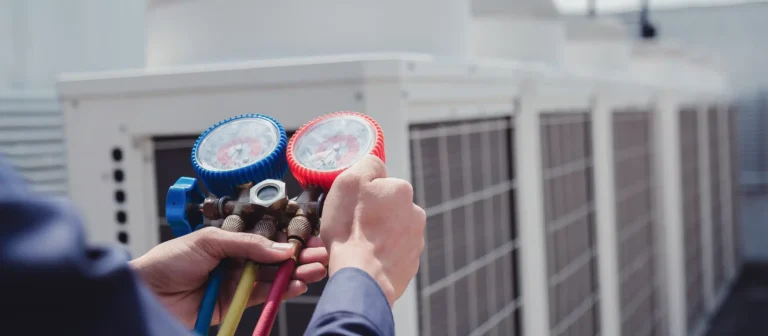
Replacement makes sense when the thermostat is inaccurate, physically damaged, incompatible with equipment needs, intermittently failing, or too limited for the system. If a home has a two-stage air conditioner but a single-stage thermostat, upgrading can improve comfort. If a heat pump uses auxiliary heat, the thermostat needs proper heat pump logic. If humidity control matters, choose a thermostat that manages it correctly with the existing equipment.
Relocation makes sense when the thermostat location cannot represent the home. This is common after renovations, duct changes, window upgrades, or additions. It is also common in homes where the thermostat sits near the front door, because apparently someone once thought drafts were a helpful sample of indoor comfort.
Remote sensors may be the best middle path. They are less invasive than moving wires and more flexible for changing routines. But they are not magic. They need thoughtful placement and a clear strategy. Averaging sensors can work well in open floor plans. Prioritizing one sensor at night can help bedrooms. Using too many sensors without understanding the comfort goal can create a democratic mess where everyone votes and nobody is happy.
The plumbing and electrical neighbors in the same mechanical room
Air conditioning problems do not always stay neatly inside the HVAC box. Mechanical rooms are crowded places. A condensate line may share space with plumbing drains. A furnace may sit near a Water heater installation. A gas furnace may connect to piping installed by a Gas installation service. A leaking water heater may soak the area around an air handler. A tripped breaker may look like a dead thermostat. A clogged drain may shut down cooling through a float switch.
That is why broad mechanical experience helps. A company that understands HVAC, electrical controls, and plumbing can spot crossover problems faster. If water is pooling near the air handler, it might be condensate, a humidifier leak, a failed pump, a Plumbing leak repair issue, or water heater trouble. If the system loses power repeatedly, an Electrician may need to evaluate the circuit, but an HVAC technician should still determine whether the equipment is causing the trip. If a condensate drain ties into a household drain that backs up, Septic system service may even enter the conversation in rural homes. Houses enjoy making specialists talk to each other.
The same practical overlap shows up during replacements and upgrades. A Heat pump installation may require electrical changes, thermostat upgrades, condensate management, and possibly adjustments to auxiliary heat. A furnace replacement may involve venting, gas piping, combustion air, thermostat wiring, and AC coil compatibility. Water softener installation can affect water quality for humidifiers and some hydronic components, although it has nothing to do with thermostat accuracy unless someone mounts the thermostat above the brine tank, which I do not recommend for aesthetic or marital reasons.
Maintenance keeps controls honest
Air conditioning maintenance should include more than washing the outdoor coil and changing the filter, though those matter. Controls deserve attention because small electrical and sensing problems often show up before major failures. During an air conditioning tune-up, the technician should verify thermostat operation, check temperature split in context, inspect low-voltage wiring, test safeties, flush or clear the condensate pathway when appropriate, and confirm the system starts and stops cleanly.
A tune-up is also a good time to ask whether the thermostat schedule still matches the household. People change routines. Children leave for college. Remote work begins. A guest room becomes an office. The old schedule keeps running like a little bureaucrat, cooling empty rooms at 2 p.m. And letting occupied rooms warm up during dinner. Reprogramming may save energy without touching the equipment.
Filters deserve mention because they are the humble villains of HVAC. A restrictive or dirty filter can reduce airflow, lower coil temperature, cause freezing, increase run time, and make the thermostat seem unsatisfied. Homeowners often buy the highest-rated filter they can find, assuming more filtration is always better. Higher MERV filters can be excellent, but only if the system can handle the pressure drop. If the return duct is undersized, a dense filter can choke airflow. Clean air is good. Suffocating the blower is less good.
Condensate maintenance https://www.buildzoom.com/contractor/service-lion-plumbing-heating-air-electric-orange-ca also prevents false thermostat failures. When a float switch trips, some thermostats go blank because the safety switch interrupts power. Others stay lit but cooling will not start. The homeowner sees a thermostat problem. The technician sees a water management problem. Clearing the line, treating the drain, improving slope, or installing a better cleanout may prevent repeat visits. For stubborn clogs, Hydrojetting is usually more of a plumbing drain solution than a small condensate-line tactic, but the principle is the same: water must leave where it is supposed to leave.
What homeowners can safely check before calling
There are a few reasonable checks homeowners can do without turning a thermostat issue into a family legend. Keep it simple. Do not jump wires unless you know exactly what you are doing. Low voltage is less likely to hurt you than line voltage, but it can still damage control boards if mishandled. Also, if your repair method involves a butter knife, stop.
Check whether the thermostat display is on, whether the settings are correct, and whether the system is in cooling mode rather than heat or off. Replace batteries if your thermostat uses them. Make sure the air filter is not packed with dust. Look at the indoor unit for water in the drain pan if accessible. Confirm breakers are not tripped, but if a breaker trips again after resetting, leave it alone and call for service. Repeated breaker trips are not a personality quirk.
One more simple test: compare the thermostat temperature with a decent thermometer placed nearby, away from vents and sunlight. Do not use an oven thermometer from the junk drawer unless you want data with a sense of humor. If the thermostat is off by several degrees after sitting undisturbed, that is useful information for the technician.
The cost question nobody wants to ask last
Costs vary by region, equipment type, thermostat model, accessibility, and whether the problem is simple or tangled. A basic thermostat replacement is usually modest compared with major air conditioning repair, but smart thermostats, remote sensors, new wiring, zoning controls, or communicating system components can cost more. Diagnostic time also matters. The cheapest visit is not always the cheapest outcome if the technician swaps a thermostat without finding the actual issue.
There is a trade-off between replacing a questionable thermostat and spending more time proving it guilty. If a thermostat is old, inaccurate, and limited, replacement may be sensible. If it is new and the system symptoms point elsewhere, diagnosis should continue. Good service involves judgment, not guessing with invoices.
Homeowners should ask what was tested, what readings were found, and why the recommended repair fits the symptom. A trustworthy technician can explain without burying you in jargon. They might say, “The thermostat is calling for cooling, but the outdoor contactor is not receiving 24 volts because the float switch is open from a clogged drain.” That sentence is worth more than “bad unit,” which is not a diagnosis. It is a shrug wearing work boots.
Comfort is a system, not a button
Thermostats and sensors matter because they sit at the decision point of the entire cooling system. They do not move refrigerant, spin blower wheels, or wash condenser coils, but they decide when those things happen. When they read poorly, communicate poorly, or live in the wrong spot, comfort suffers and equipment works harder than it should.
The best air conditioning repair service treats thermostat and sensor problems as part of the whole house. It considers airflow, humidity, duct design, equipment staging, condensate drainage, electrical supply, and the odd realities of daily life. Maybe the thermostat needs replacement. Maybe a remote sensor belongs in the bedroom. Maybe the return duct needs attention. Maybe the “AC problem” is actually a clogged drain, a tripped safety, or a heat pump setting left over from an installation menu nobody finished.
A good cooling system should not require constant negotiation. You set a reasonable temperature, the equipment responds, and the house feels comfortable without sounding like it is preparing for takeoff. When that stops happening, do not let the thermostat’s innocent little screen fool you. It may be the problem. It may be the witness. Either way, it has information, and a skilled technician knows how to make it talk.
Name: Service Lion Plumbing Heating Air Electric
Address: 521 W Briardale Ave, Orange, CA 92865, United States
Phone: (657) 567-7305
Website: https://callservicelion.com/
Email: [email protected]
Hours:
Monday: Open 24 hours
Tuesday: Open 24 hours
Wednesday: Open 24 hours
Thursday: Open 24 hours
Friday: Open 24 hours
Saturday: Open 24 hours
Sunday: Open 24 hours
Open-location code: R48R+WV Orange, California, USA
Map/listing URL:
https://www.google.com/maps/search/?api=1&query=Google&query_place_id=ChIJQU4LBWHV3IARtnABtyykSA4
Google Map:
Socials:
https://www.facebook.com/ServiceLionCA/
https://www.youtube.com/channel/UCR_L35QzsRTxYZtX8PxJvPw
Local Service Information
Service Lion Plumbing Heating Air Electric provides plumbing, drain, heating, air conditioning, and electrical services from its Orange, California location.The company serves homeowners and properties throughout Orange and communities across Orange County and surrounding areas.
Available services include plumbing repairs, water heater work, drain and sewer services, heating and cooling service, electrical repairs, panels, lighting, outlets, and related home-system work.
Service is available for residential properties as well as light commercial needs described within the company's local service-area information.
The company's website emphasizes locally operated service, coordinated home-system support, and practical scheduling for plumbing, HVAC, and electrical needs.
The matching public business listing shows the Orange location as open 24 hours a day, seven days a week.
For service information or scheduling, call (657) 567-7305 or visit https://callservicelion.com/.
The public map listing identifies the business at 521 W Briardale Ave, Orange, CA 92865 and can be used for location and direction information.
Popular Questions About Service Lion Plumbing Heating Air Electric
What services does Service Lion Plumbing Heating Air Electric provide?
The company provides plumbing, drain and sewer, heating, air conditioning, and electrical services. Its published services include plumbing repair, water heaters, drain clearing, sewer work, HVAC repair and installation, electrical repairs, panels, circuit breakers, lighting, outlets, and related services.
Where is Service Lion Plumbing Heating Air Electric located?
The matching business location is 521 W Briardale Ave, Orange, CA 92865, United States.
What areas does Service Lion Plumbing Heating Air Electric serve?
The company serves Orange County and surrounding communities. Its published service-area information includes Orange, Anaheim, Brea, Yorba Linda, Fullerton, Huntington Beach, Newport Beach, Costa Mesa, Irvine, Lake Forest, and additional nearby cities.
Is Service Lion Plumbing Heating Air Electric open 24 hours?
The matching public business listing shows the location as open 24 hours on Monday through Sunday.
Does Service Lion Plumbing Heating Air Electric work on drains and sewer lines?
Yes. Published services include drain clearing, rooter service, camera inspection, hydro jetting, sewer line repair and installation, water line work, slab leak detection, and trenchless sewer line repair.
Does Service Lion Plumbing Heating Air Electric provide heating and air conditioning service?
Yes. Its published HVAC services include air conditioning repair and installation, heating service, furnace work, heat pumps, air ducts, indoor air quality assessments, and thermostat installation.
Does Service Lion Plumbing Heating Air Electric provide electrical service?
Yes. Published electrical services include repairs and installations, electrical panels, circuit breakers, safety inspections, lighting, outlets and switches, surge protection, generators, and EV charging equipment installation.
How can I contact Service Lion Plumbing Heating Air Electric?
Call (657) 567-7305.
Email: [email protected]
Website: https://callservicelion.com/
Facebook: https://www.facebook.com/ServiceLionCA/
Landmarks Near Orange, California
Old Towne Orange Historic District
A central historic district and useful geographic reference point for the Orange community.
Plaza Park
A well-known public gathering point in the center of Old Towne Orange.
Orange Public Library & History Center
A civic landmark serving residents near central Orange.
Hart Park
A major public park and recreation area south of central Orange.
Eisenhower Park
A public park serving neighborhoods in northern Orange.
Santiago Oaks Regional Park
A regional recreation and open-space landmark on the eastern side of Orange.
Irvine Regional Park
A large regional park and recognizable reference point east of the city.
Orange Park Acres
A distinctive residential community and service-area reference point in eastern Orange.
El Modena
An established Orange neighborhood that provides a practical local coverage reference.
Glassell Street
One of the city's principal north-south streets and a useful route through central Orange.
Lincoln Avenue
A major east-west roadway serving northern Orange and nearby communities.
State Route 55
A primary regional freeway connecting Orange with other parts of Orange County.