Drain Cleaning Service for Household Plumbing Lines
A household drain has a humble job description: carry water and whatever reasonable debris comes with it away from the home without making a scene. Most days, it performs beautifully and receives no applause. Then one Tuesday evening, the kitchen sink turns into a lukewarm soup bowl, the shower drain develops the personality of a swamp, and everyone suddenly remembers plumbing exists.
That is usually when a professional drain cleaning service enters the story.
Drain cleaning sits in that practical corner of home service where skill, judgment, and the right equipment matter more than bravado. It belongs naturally in the same world as plumbing repair, sewer hookups, sump pump service, water heater repair, and other household mechanical work. Many service businesses that handle plumbing also work around heating, ventilation, and air conditioning systems, because homes do not politely separate their problems into tidy departments. Water, gas, electricity, heat, cooling, and drainage all share walls, closets, crawl spaces, basements, and the occasional dramatic emergency.
A Plumber who understands household drain lines is not just someone with a cable machine and sturdy boots. The useful one knows when a simple cleaning is enough, when the issue points to a deeper plumbing leak repair concern, when a Rooter service is appropriate, and when Hydrojetting makes sense. The less useful one attacks every clog like it insulted his grandmother. That approach can get expensive.
The household drain line is not a trash chute wearing a pipe costume
Most homeowners do not abuse drains on purpose. They do it through optimism. A little grease down the kitchen sink? Surely hot water will escort it away like a butler. A wad of hair in the shower? That is future plumbing’s problem. A basement floor drain that has not been noticed since the previous presidential administration? Still probably fine.
Household plumbing lines are built to move wastewater, not to digest everything that fits through an opening. The pipe may accept the item, but acceptance is not the same as approval. Over time, ordinary use can leave residue along the inside walls of a drain. The opening narrows. Flow slows. Small bits that once passed through now catch and collect. The line does not fail all at once. It rehearses.
The first signs often look minor. A sink gurgles. A tub drains slowly. A toilet bubbles after the washing machine runs. A floor drain gives off an odor that makes the dog leave the room. None of these signs automatically mean disaster, but they do deserve attention. Drain cleaning works best before the line is fully blocked, just as air conditioning maintenance works best before an air conditioner wheezes through July like a tired accordion.
That comparison is not accidental. Good mechanical service is often preventive. An Air conditioning contractor handles air conditioning tune-up work because the cost and inconvenience of waiting for a failure are usually worse. The same thinking applies to plumbing. A drain that complains early is offering a discount on future misery.
What a professional drain cleaning service actually does
A proper drain cleaning visit starts with the least glamorous tool in the truck: questions. Where is the backup? How long has it been happening? Is one fixture slow, or are several fixtures acting up? Did anything change recently? Has this line been cleaned before? Was there a previous repair? Does the home have a septic system service provider involved, or is it connected to a municipal sewer? The answers help narrow the field.
A single slow bathroom sink points one direction. Multiple backed-up fixtures point another. A kitchen line that clogs every few months has a different personality than a shower that slows because it has been quietly weaving a hair sweater for a year. The work may involve opening a cleanout, running a drain cable, using a rooter machine, flushing the line, or recommending Hydrojetting if the situation calls for a more thorough cleaning.
The best technicians do not treat equipment as a magic wand. Cable machines and rooter equipment can restore flow by cutting through or retrieving obstructions. Hydrojetting uses high-pressure water to scour the inside of certain lines. Both have a place. Neither should be chosen simply because it sounds impressive on an invoice.
A thoughtful Plumber considers the material, age, condition, access points, and symptoms before choosing a method. If the line is fragile or already damaged, aggressive cleaning may not be the clever move. If buildup is stubborn and recurring, a light pass may only buy a little time. Plumbing rewards judgment. It also punishes guessing with wet flooring.
Slow drains, full clogs, and the household opera of bad timing
Drain problems have a theatrical sense of timing. They rarely appear at 10:30 on a quiet Tuesday morning after everyone has had coffee and cleared the calendar. They prefer holidays, overnight guests, and the exact moment a pot of pasta water needs somewhere to go.
A slow drain is the polite version. Water still leaves, just with reluctance. A full clog is the dramatic version. Water sits, rises, backs up, or finds another exit. The difference matters because slow drains offer room to diagnose calmly. Full clogs often force decisions under pressure, and pressure is where people pour mystery chemicals into pipes with the confidence of a television wizard.
Chemical drain openers can sometimes move a minor blockage, but they are not a universal fix and they do not diagnose the cause. They also leave a technician with an unpleasant surprise if professional service becomes necessary right after the home chemistry experiment fails. If a drain is fully blocked, recurring, or affecting more than one fixture, calling for service is usually the cleaner, safer, and less theatrical move.
There is also a dignity issue. Nobody should spend an evening plunging a laundry drain while muttering negotiations with gravity.
When rooter service is the right call
Rooter service is one of those terms that has become shorthand for mechanical drain clearing. In practical residential work, it often means using specialized equipment to cut, break, or pull through obstructions in a plumbing line so water can move again. It is especially associated with stubborn blockages and lines that need more than a sink plunger and positive thinking.
The benefit of rooter equipment is mechanical force with reach. A trained technician can work through an access point and reach clogs that are not near the fixture opening. That matters because the visible drain is rarely where the real problem sits. The clog may be several feet away or much farther down the line. The sink is only the messenger, and like many messengers, it receives too much blame.
Still, rooter service should not be treated as a cure for every recurring drain problem. If the same line backs up again and again, restoring flow may only be part of the job. The recurring pattern deserves attention. Is there buildup? Is there a line condition causing debris to catch? Is the use pattern contributing? Does a septic system service issue play a role? The right answer depends on the home and the line.
A good service call ends with more than “it drains now.” It should leave the homeowner with a reasonable explanation of what was found, what was done, and what would make the issue worth further evaluation.
Hydrojetting without the sales confetti
Hydrojetting sounds powerful because it is. It uses high-pressure water to clean the inside of drain or sewer lines, and in the right circumstances, it can be extremely effective. The word also has a way of making people picture a superhero hose blasting villainous sludge into submission. That image is not entirely wrong, but homes are not comic books.
The trade-off is simple. Hydrojetting can provide a more thorough cleaning than basic mechanical clearing in certain situations, especially where buildup coats the pipe wall. But it is not automatically the correct first step for every clog. The line needs to be appropriate for the method, access must be suitable, and the technician should have a reason for recommending it beyond “the machine is already on the truck.”
That last point matters. Home services have their share of upsell temptation. The same applies across trades. An Air conditioning repair service should not recommend a major component replacement when an air conditioning tune-up solves the actual problem. An Electrician should not turn a switch replacement into a whole-house epic unless the facts support it. A Heating contractor should not treat every cold room as an invitation to sell Heat pump installation. The honest version of any trade starts with diagnosis.
Hydrojetting earns its place when the symptoms, line conditions, and service goals support it. If the line has a history of buildup and repeated cleaning, it may be a sensible option. If a small localized clog can be cleared cleanly with a cable, Hydrojetting may be unnecessary. The best recommendation is the one that fits the problem, not the one with the most exciting name.
The difference between drain cleaning and plumbing repair
Drain cleaning restores flow. Plumbing repair fixes a defect. Sometimes those overlap, but they are not the same job.
If a line is blocked by accumulated debris, cleaning may solve it. If a pipe is leaking, sagging, separated, damaged, or poorly configured, cleaning may only reveal the next problem. That is where plumbing leak repair or even plumbing repiping can enter the conversation. Repiping is a larger category of work, and it should not be suggested casually. But there are homes where repeated symptoms point beyond a routine clog.
This is where professional restraint matters. A technician should not frighten a homeowner into unnecessary work. At the same time, a homeowner should not expect drain cleaning to perform miracles outside its job description. Clearing a line does not rebuild the line. It does not redesign a bad installation. It does not fix every odor, every backup, or every mystery gurgle forever. Plumbing is physical. Water follows slope, pressure, openings, and obstructions. It is not impressed by wishful thinking.
A useful rule of thumb is frequency. One clog after years of normal use is often just one clog. The same line backing up three times in a short period is a pattern. Patterns deserve better than another round of heroic plunging.
The home’s mechanical systems are neighbors, not strangers
Drain cleaning may sound separate from HVAC, electrical, gas, and water heating work, but in real homes, these systems often live side by side. Service contractors who work in plumbing, heating, and air-conditioning deal with the practical reality of tight mechanical rooms, shared utility spaces, and equipment that depends on safe installation and maintenance.
A water heater installation may require attention to water connections and sometimes gas installation service, depending on the equipment type. Water heater repair can involve diagnosing leaks, drainage, temperature complaints, or related piping issues. A furnace repair service may work in the same basement where a floor drain backs up. An Air conditioning contractor may be concerned with condensate drainage as part of cooling equipment service. A heat pump installation involves heating and cooling performance, while proper installation details such as correct sizing and refrigerant charging matter for efficiency and equipment life.
Electrical work sits in its own trade category, and rightly so. An Electrician or Lighting contractor handles risks and requirements that differ from plumbing. Still, anyone who has worked in homes knows that trades coordinate constantly. The plumber needs power for equipment. The HVAC technician needs safe electrical connections. The lighting project uncovers a plumbing chase. The old house laughs in plaster dust.
This overlap does not mean one person should do everything. It means a competent service company respects the boundaries between trades while understanding how household systems affect each other. The smartest contractors know when to handle the issue, when to coordinate, and when to call in the right specialist.
What homeowners can do before calling
There are a few reasonable steps a homeowner can take before scheduling drain cleaning. Reasonable is the important word. If the plan involves dismantling half the bathroom with a butter knife and a video tutorial playing on the counter, the plan has drifted.
Try to observe the symptoms carefully. Is the problem isolated to one fixture? Does it happen only when another appliance drains? Is there standing water? Is there an odor? Did a guest recently test the plumbing system’s spiritual limits? These details help a technician arrive with a sharper starting point.
A plunger can be useful on some fixture clogs when used correctly. Removing visible hair from a tub strainer is fair game. Cleaning a sink stopper can solve a surprising number of slow bathroom drains, and it offers the homeowner the charming opportunity to meet the grayish creature living beneath the pop-up assembly. Wear gloves. Keep your sense of humor.
Where things get risky is aggressive do-it-yourself snaking, chemical mixing, or opening pipes without knowing what is upstream. Household plumbing holds pressure, waste, and consequences. A small mistake can create a leak, damage a fixture, or turn a manageable service call into an indoor fountain.
Here is the short version worth taping inside a utility closet, preferably not with duct tape older than the water heater:
- Stop using the affected fixture if water is backing up.
- Note which fixtures are slow, gurgling, or overflowing.
- Avoid adding chemical drain cleaners if you plan to call for service.
- Clear the area around access points if you know where they are.
- Tell the technician about any recent repairs, recurring clogs, or septic system service history.
That list is not glamorous. Neither is dry flooring, until you have experienced the alternative.
Why recurring clogs deserve more respect
A recurring drain clog is not a personality flaw in your house, though it may feel personal after the third incident. It is information. Something about the line, the usage, or the system conditions encourages the problem to return.
Sometimes the issue is ordinary accumulation. Kitchen lines, for example, see food residue and grease habits, even in homes where nobody admits to putting grease down the sink. Bathroom lines collect soap residue and hair. Laundry drains handle lint and discharge water. These are common service realities, not moral failures.
Other times, the problem may sit beyond what routine cleaning can permanently solve. The line may have a physical condition that allows debris to snag. There may be a connection issue. There may be broader drainage concerns. Homes connected to septic systems add another layer, which is why a septic system service history can matter when symptoms involve multiple fixtures or slow drainage patterns.
The key is to stop treating every recurrence like a brand-new coincidence. Once is a clog. Twice is annoying. Three times is the plumbing equivalent of a raised eyebrow.
A skilled Plumber will look for the story behind the stoppage. The answer may still be simple drain cleaning, but at least the decision is informed. That is the difference between service and ritual.
The service call from the technician’s side of the door
People sometimes imagine drain cleaning as brute force work. There is certainly force involved, along with machines that do not care about your delicate office hands. But the technician’s real value is sequencing decisions.
First comes safety and containment. Backed-up water needs respect. Work areas need protection. Access points need to be opened without creating a bigger mess. Then comes diagnosis by symptom and location. The technician chooses equipment based on the line and likely blockage. During the cleaning, feedback from the cable or water flow matters. Is the tool moving freely? Did resistance change? Did flow restore quickly or gradually? Does the fixture drain properly after testing?
A sloppy service call clears just enough water to leave. A careful one verifies performance. That might mean running water for a while, checking nearby fixtures, listening for odd behavior, and making sure the homeowner understands what happened. Not every call needs a grand lecture. But a sentence like “we cleared the bathroom branch line and pulled back a heavy hair blockage” is more useful than “fixed.”
The same standard applies across mechanical trades. If an Air conditioning repair technician adjusts refrigerant charge or corrects an installation issue, the homeowner deserves a clear explanation. If a Furnace repair service replaces a part, the customer should know why. If an Electrician corrects a lighting fault, the cause matters. Good service is not mysterious. It is understandable without being dumbed down.
Price, value, and the suspiciously cheap clog
Nobody enjoys paying for drain cleaning. It is not like buying a new light fixture, where at least you get to admire something afterward. Drain service is successful when life returns to normal and everyone immediately stops thinking about it. That makes pricing feel odd. You pay for the absence of a problem.
Cheap service can be fine when the work is simple and the company is competent. Suspiciously cheap service is different. If the advertised price barely covers fuel and labor, the business may be counting on add-ons, pressure tactics, or a very narrow definition of “service.” On the other end, high price does not automatically mean high skill. Fancy trucks can carry ordinary judgment.
Value comes from the match between the problem and the solution. A straightforward clog should not become a saga. A serious recurring issue should not be brushed off with a temporary clearing and a shrug. Ask what method will be used, what access is needed, and what happens if the blockage cannot be cleared from the first point of entry. Reasonable companies can answer without acting as though you requested state secrets.
Homeowners should also remember that emergency timing affects cost. After-hours service, difficult access, and severe backups can all change the work involved. Plumbing problems do not read budgets. They do, however, respond well to earlier attention.
Drain cleaning and water-using equipment
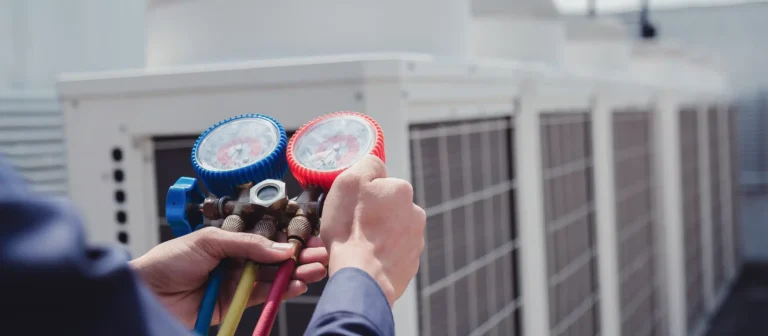
Household drains support more than sinks and tubs. Water heaters, softeners, laundry equipment, cooling systems, and other mechanical components may discharge or interact with drainage in some way depending on the home’s setup. That is why a contractor who handles both plumbing and HVAC often sees the house as a connected system.
Water heater repair and water heater installation involve more than hot water comfort. Proper piping, drainage considerations, and safe installation practices matter. Water softener installation belongs in the same practical universe, because it interacts with household water supply and discharge needs. Air conditioning maintenance may include attention to drainage from cooling equipment. Air conditioning repair can involve problems that look like leaks but originate from condensate handling rather than supply plumbing. Heat pump installation and service bring similar concerns in homes using heat pumps for heating and cooling.
None of this means a slow kitchen sink is secretly an air conditioner problem. That would be impressive, and deeply annoying. It means service technicians who understand mechanical systems broadly are often better at spotting where one issue ends and another begins.
The trade categories exist for a reason. Plumbing, heating, and air-conditioning work are recognized as specialized trade work, while electrical work is its own category. In the field, specialization and coordination both matter. The homeowner benefits when the person at the door knows their trade and respects the edges of it.
Maintenance habits that actually help
Drain maintenance advice can get silly fast. Some of it sounds like folklore passed down by a committee of vinegar enthusiasts. The useful habits are less dramatic and residential AC maintenance more consistent.
Keep grease out of kitchen drains. Wipe oily pans before washing them. Use strainers where practical. Remove hair before it migrates into the line and begins a second career as rope. Pay attention to slow drains before they stop entirely. If a particular drain has a history, schedule service before the busy season in your home, whether that means holiday guests, summer laundry marathons, or the annual visit from relatives who believe every toilet is invincible.
Professional maintenance does not mean calling every month to polish the pipes. It means treating recurring symptoms as service issues rather than waiting for overflow. Some homes rarely need drain cleaning. Others need periodic attention because of usage, layout, or age. There is no moral ranking. A home with teenagers and long hair is conducting a different plumbing experiment than a one-person household with a shaved head and a dishwasher.
Here is a compact comparison that helps frame the decision:
| Situation | Likely next move | |---|---| | One slow sink with visible debris near the stopper | Clean the stopper or call if it persists | | Several fixtures draining slowly | Schedule professional drain cleaning | | Backup from a floor drain or lower-level fixture | Stop water use and call promptly | | Repeated clog in the same line | Ask about cause, not just clearing | | Drain issue with septic concerns | Mention septic system service history when calling |
That is the second and final list-like structure, and frankly, it has earned its keep.
What a good company sounds like on the phone
The phone call often reveals the service culture before the truck arrives. A good dispatcher or service coordinator asks practical questions. They want to know what is backing up, how many fixtures are affected, whether water is actively overflowing, and whether the home has special access concerns. They do not diagnose the entire job from one sentence, but they gather enough to send the right help.
Be wary of absolute promises before inspection. “We can clear anything for one flat price no matter what” sounds comforting until it meets reality. Homes vary. Access varies. Line conditions vary. The honest answer is often, “We can give you the standard starting price, and the technician will explain options if the work is more involved.” That may be less flashy, but it is closer to how service work actually functions.
Companies that handle multiple services, such as plumbing, heating, cooling, gas installation service, lighting, and related repairs, should be clear about which technician is coming and what scope they are prepared to handle. If you need drain cleaning, you need a plumbing technician. If your air conditioner is not cooling, you need an Air conditioning repair service. If your furnace is out, you need heating expertise. The business may offer all of these, but the right person still matters.
The quiet satisfaction of a drain that behaves
Nobody hosts a dinner party and invites guests to admire the main sewer line. Nobody stands in the shower, watches water disappear properly, and whispers, “Magnificent.” Yet that quiet function is exactly what makes a home feel civilized.
Drain cleaning service for household plumbing lines is not glamorous, but it is one of the most practical forms of home care. It protects routines. It limits mess. It helps distinguish between a temporary blockage and a repair-worthy problem. Done well, it combines trade experience, suitable equipment, and enough diagnostic patience to avoid turning every clog into either a panic or a sales pitch.
The next time a drain slows, gurgles, or stages a small rebellion, resist the urge to declare war with chemicals and a coat hanger. Pay attention to the symptoms. Think about whether it is isolated or part of a pattern. Call a qualified Plumber when the signs point beyond a simple surface issue. Ask clear questions. Expect clear answers.
The drain does not need applause. It just needs to work. And when it does, the whole house gets to go back to ignoring it, which, for plumbing, is the highest compliment available.
Name: Service Lion Plumbing Heating Air Electric
Address: 521 W Briardale Ave, Orange, CA 92865, United States
Phone: (657) 567-7305
Website: https://callservicelion.com/
Email: [email protected]
Hours:
Monday: Open 24 hours
Tuesday: Open 24 hours
Wednesday: Open 24 hours
Thursday: Open 24 hours
Friday: Open 24 hours
Saturday: Open 24 hours
Sunday: Open 24 hours
Open-location code: R48R+WV Orange, California, USA
Map/listing URL:
https://www.google.com/maps/search/?api=1&query=Google&query_place_id=ChIJQU4LBWHV3IARtnABtyykSA4
Google Map:
Socials:
https://www.facebook.com/ServiceLionCA/
https://www.youtube.com/channel/UCR_L35QzsRTxYZtX8PxJvPw
Local Service Information
Service Lion Plumbing Heating Air Electric provides plumbing, drain, heating, air conditioning, and electrical services from its Orange, California location.The company serves homeowners and properties throughout Orange and communities across Orange County and surrounding areas.
Available services include plumbing repairs, water heater work, drain and sewer services, heating and cooling service, electrical repairs, panels, lighting, outlets, and related home-system work.
Service is available for residential properties as well as light commercial needs described within the company's local service-area information.
The company's website emphasizes locally operated service, coordinated home-system support, and practical scheduling for plumbing, HVAC, and electrical needs.
The matching public business listing shows the Orange location as open 24 hours a day, seven days a week.
For service information or scheduling, call (657) 567-7305 or visit https://callservicelion.com/.
The public map listing identifies the business at 521 W Briardale Ave, Orange, CA 92865 and can be used for location and direction information.
Popular Questions About Service Lion Plumbing Heating Air Electric
What services does Service Lion Plumbing Heating Air Electric provide?
The company provides plumbing, drain and sewer, heating, air conditioning, and electrical services. Its published services include plumbing repair, water heaters, drain clearing, sewer work, HVAC repair and installation, electrical repairs, panels, circuit breakers, lighting, outlets, and related services.
Where is Service Lion Plumbing Heating Air Electric located?
The matching business location is 521 W Briardale Ave, Orange, CA 92865, United States.
What areas does Service Lion Plumbing Heating Air Electric serve?
The company serves Orange County and surrounding communities. Its published service-area information includes Orange, Anaheim, Brea, Yorba Linda, Fullerton, Huntington Beach, Newport Beach, Costa Mesa, Irvine, Lake Forest, and additional nearby cities.
Is Service Lion Plumbing Heating Air Electric open 24 hours?
The matching public business listing shows the location as open 24 hours on Monday through Sunday.
Does Service Lion Plumbing Heating Air Electric work on drains and sewer lines?
Yes. Published services include drain clearing, rooter service, camera inspection, hydro jetting, sewer line repair and installation, water line work, slab leak detection, and trenchless sewer line repair.
Does Service Lion Plumbing Heating Air Electric provide heating and air conditioning service?
Yes. Its published HVAC services include air conditioning repair and installation, heating service, furnace work, heat pumps, air ducts, indoor air quality assessments, and thermostat installation.
Does Service Lion Plumbing Heating Air Electric provide electrical service?
Yes. Published electrical services include repairs and installations, electrical panels, circuit breakers, safety inspections, lighting, outlets and switches, surge protection, generators, and EV charging equipment installation.
How can I contact Service Lion Plumbing Heating Air Electric?
Call (657) 567-7305.
Email: [email protected]
Website: https://callservicelion.com/
Facebook: https://www.facebook.com/ServiceLionCA/
Landmarks Near Orange, California
Old Towne Orange Historic District
A central historic district and useful geographic reference point for the Orange community.
Plaza Park
A well-known public gathering point in the center of Old Towne Orange.
Orange Public Library & History Center
A civic landmark serving residents near central Orange.
Hart Park
A major public park and recreation area south of central Orange.
Eisenhower Park
A public park serving neighborhoods in northern Orange.
Santiago Oaks Regional Park
A regional recreation and open-space landmark on the eastern side of Orange.
Irvine Regional Park
A large regional park and recognizable reference point east of the city.
Orange Park Acres
A distinctive residential community and service-area reference point in eastern Orange.
El Modena
An established Orange neighborhood that provides a practical local coverage reference.
Glassell Street
One of the city's principal north-south streets and a useful route through central Orange.
Lincoln Avenue
A major east-west roadway serving northern Orange and nearby communities.
State Route 55
A primary regional freeway connecting Orange with other parts of Orange County.