Hydrojetting Benefits for Stubborn Clogs and Grease Buildup
A drain clog has a flair for drama. It waits until the house is full of guests, the restaurant dinner rush has started, or the washing machine is halfway through a load before announcing itself with a gurgle, a belch, and that unmistakable swampy aroma. If plumbing had a villain soundtrack, it would play softly under the kitchen sink.
Most people meet a clogged drain with optimism first. A plunger appears. Then a bottle of something harsh and suspiciously neon. Then maybe a hand snake from the garage that has seen things no tool should have to see. Sometimes that works. Sometimes the drain pretends to improve for two days, then clogs again with the smug confidence of a raccoon in a trash can.
That is where hydrojetting earns its reputation.
Hydrojetting is a professional drain cleaning method that uses high-pressure water to scour the inside of pipes. Not poke a hole through a clog. Not nudge grease a few feet downstream. Scour. A skilled Plumber uses specialized equipment, proper nozzle selection, and controlled water pressure to cut through grease buildup, sludge, soap residue, hair, mineral deposits, and even certain root intrusions. When done correctly, it restores the pipe much closer to its full interior diameter.
It is not magic, although after seeing the before-and-after camera footage, plenty of homeowners have used stronger language.
Why stubborn clogs keep coming back
A clog rarely begins as a single dramatic event. It usually starts as a thin film. Kitchen grease cools inside the pipe and clings to the wall. Soap mixes with minerals in the water and leaves a sticky residue. Hair catches on rough spots. Food particles join the party. In older drain lines, scale, corrosion, small offsets, and root intrusion create perfect snag points.
After a while, the pipe is less like a clean tube and more like an artery that has made poor lifestyle choices.
This is why a basic Rooter service can seem successful at first, then disappoint you later. A cable machine, often called a drain snake, is excellent in the right situation. It can punch through blockages and restore flow quickly. For a soft clog or a simple obstruction, that may be all the line needs. The trouble comes when the pipe walls are coated with grease and sludge. The cable cuts a path through the clog, water starts draining again, everyone cheers, and the remaining buildup stays stuck to the pipe like it pays rent.
A few weeks or months later, the same material catches new debris. The clog rebuilds. The drain slows. The homeowner mutters something unprintable into the sink.
Hydrojetting addresses the pipe wall, not just the blockage. That distinction matters.
What hydrojetting actually does
A hydrojetting machine pressurizes water and sends it through a specialized hose fitted with a nozzle. The nozzle directs water in specific patterns. Some jets pull the hose forward through the line, while others spray backward and outward to clean the pipe walls. Different nozzles serve different purposes, including penetrating a blockage, flushing debris, cutting grease, or working through roots.
Residential hydrojetting often uses pressures in the thousands of pounds per square inch, but pressure alone is not the whole story. Gallons per minute matter too. So does pipe size, pipe material, nozzle design, access point, and the condition of the drainage system. A technician who treats every job like a pressure-washing contest is not a hero. That person is a future insurance claim wearing work boots.
A good drain cleaning technician approaches hydrojetting like a diagnosis, not a wrestling match. The line may be inspected first with a sewer camera, especially when there is a history of recurring backups, old piping, or suspected roots. The camera helps identify whether the pipe is intact, bellied, cracked, collapsed, heavily scaled, or invaded by tree roots. If the line is badly damaged, blasting water through it may not be the best first move. Sometimes the right answer is repair, replacement, or Plumbing repiping, depending on the pipe and the problem.
When the line is suitable, hydrojetting can remove years of buildup in one service visit. The water does not rely on chemicals, and it does not leave a half-cleaned tunnel through the middle of the gunk. It scrubs, suspends, and flushes debris out of the system.
It is deeply satisfying work, in the same way cleaning a grill after a long summer is satisfying, only wetter and less suitable for sandals.
Grease buildup: the kitchen drain’s favorite crime
Grease is the reason many kitchen drain lines become repeat offenders. It does not matter whether it came from bacon, butter, cooking oil, gravy, salad dressing, or that pan of mystery drippings someone “rinsed just a little.” Warm grease goes down easily. Then it cools, thickens, and clings to the pipe. Add dish soap and food fines, and the line slowly develops a stubborn interior lining.
Restaurants know this battle well. Even with grease traps and careful staff training, commercial kitchens produce enough fats, oils, and grease to challenge any drainage system. Hydrojetting is commonly used as preventive maintenance in food service settings because waiting for a complete blockage during Friday dinner service is a bold business strategy, much like juggling knives near a bounce house.
Homes have their own grease problems. Kitchen sink clogs often form downstream of the cabinet, farther into the branch line where the homeowner cannot reach. A disposal may grind food into smaller pieces, but smaller pieces are not the same as vanished pieces. They still travel through the pipe, and if they meet grease, they stick.
Hydrojetting is particularly effective against grease because high-pressure water can emulsify and dislodge the coating from the pipe wall. The debris is then flushed through the line rather than left behind as a sticky welcome mat for the next clog.
The difference between snaking and hydrojetting
Snaking and hydrojetting are both legitimate tools. The better question is not which one is “best,” but which one fits the job.
A drain snake uses a rotating cable and an attachment to break through or retrieve an obstruction. It is often faster and less expensive for simple clogs. A bathroom sink clogged near the trap with hair and toothpaste sludge may not need hydrojetting. A toilet blocked by a child’s toy definitely does not need hydrojetting first, unless you enjoy turning bad decisions into wetter bad decisions.
Hydrojetting is better suited for lines with heavy buildup, recurring clogs, grease accumulation, sludge, scale, and certain root problems. It cleans the circumference of the pipe, which reduces the chance that the same clog returns quickly.
Here is the cleanest way to think about it:
| Situation | Often better fit | |---|---| | Single soft clog close to a fixture | Snaking or basic Drain cleaning | | Recurring kitchen line blockage | Hydrojetting | | Heavy grease buildup | Hydrojetting | | Foreign object in toilet or drain | Retrieval, augering, or repair | | Suspected broken or collapsed pipe | Camera inspection and repair planning |
That table is tidy, but real plumbing rarely behaves like a tidy table. A seasoned Plumber may snake first to open a completely blocked line, then hydrojet to clean the remaining buildup. In other cases, the technician may camera the line first because the symptoms suggest something structural. Judgment matters. So does not pretending every drain needs the most expensive tool in the truck.
Why camera inspection pairs so well with hydrojetting
Hydrojetting without knowing the condition of the pipe can be like power washing an old fence in the dark. Maybe it works beautifully. Maybe you discover the fence was mostly moss and optimism.
A sewer camera inspection lets the technician see what is happening inside the line. The camera can reveal grease, sludge, roots, standing water, pipe separations, sags, corrosion, and broken sections. It also helps confirm that the line has been cleaned after hydrojetting. That last part is not just for bragging rights, although the footage can be oddly captivating. It verifies results and helps plan future maintenance.
For example, if a main sewer line backs up every six months and the camera shows roots entering through clay pipe joints, hydrojetting may clear the roots temporarily, but it will not reseal the joints. The homeowner can then make an informed decision about recurring Rooter service, spot repair, lining, or replacement. If the camera shows a low spot in the pipe that holds water, hydrojetting can remove sludge, but debris may collect there again because gravity has apparently taken a personal day.
In newer homes, camera inspections can still be useful. Construction debris, improper slope, or a poorly installed fitting can cause strange drainage issues. I have seen lines that looked fine from the outside and behaved terribly because a small section had a belly that collected waste like a tiny underground soup bowl. Hydrojetting helped clean it, but the camera explained why the problem would return.
What hydrojetting can remove
Hydrojetting shines when the blockage is made of accumulated material rather than a solid object. Grease, soap scum, sand, silt, sludge, and soft scale are common targets. It can also cut through lighter root masses, especially with the right nozzle, although roots often indicate a pipe defect that needs longer-term attention.
It is useful in kitchen lines, laundry drains, floor drains, main sewer lines, and commercial drainage systems. In some cases, it helps with storm drains and area drains that collect mud, leaves, and sediment. For Septic system service, hydrojetting can be used in certain lines, but it must be handled carefully. Septic systems have tanks, baffles, distribution boxes, and drain fields that do not appreciate reckless pressure or improper flushing. Anyone servicing septic-connected plumbing should understand the system layout before firing up the equipment.
Hydrojetting is not ideal for everything. It will not dissolve a plastic cap, fix a crushed pipe, remove a toy truck from a toilet bend, or correct bad slope. It is a cleaning method, not a pipe resurrection ceremony.
The big benefits, without the sales fog
Hydrojetting gets talked up a lot, and for good reason, but the useful benefits are practical rather than mystical. It improves flow, reduces recurring clogs, removes stubborn buildup, and avoids harsh drain chemicals. It can be especially valuable before repairs, during maintenance programs, and after repeated backups.
A few benefits stand out on real jobs:
- It cleans the full pipe wall instead of opening a narrow path through the clog.
- It works well on grease, sludge, soap residue, and sediment that cables often leave behind.
- It can reduce repeat service calls when buildup is the actual cause.
- It uses water rather than caustic chemicals that can be hard on pipes and people.
- It pairs with camera inspection to confirm both the problem and the result.
That is one of the reasons property managers like it. If a multi-unit building has a kitchen stack that clogs repeatedly, hydrojetting can be scheduled as maintenance rather than emergency theater at 10 p.m. Emergency plumbing has its place, but nobody enjoys meeting their neighbors in pajamas because the first-floor sink has become a fountain.
Hydrojetting for commercial kitchens and busy buildings
Commercial drainage systems take punishment. Restaurants, cafés, bakeries, schools, churches, assisted living facilities, and office buildings all produce waste streams that can build up quickly. A single-family kitchen might send grease down the drain occasionally. A restaurant line may see greasy wastewater all day, every day, while employees move fast and the dishwasher runs like it has a personal vendetta.
Hydrojetting can be part of a preventive maintenance schedule for these properties. The frequency depends on usage, pipe condition, grease management, and local code requirements. Some busy kitchens may need cleaning every few months. Others can go longer. The point is to track actual conditions rather than wait for a backup.
The same logic applies to apartment buildings. A property manager can send polite reminders about not pouring grease into sinks, but polite reminders have limited power against human nature and late-night fried food. Vertical stacks and horizontal mains collect buildup over time. Hydrojetting helps keep those shared lines flowing and reduces the chance that one tenant’s cooking habits become another tenant’s ceiling stain.
For businesses, downtime matters. A backed-up floor drain can close a kitchen. A restroom blockage can irritate customers. A main sewer backup can trigger sanitation concerns. Compared with lost revenue, cleanup costs, and reputation damage, preventive hydrojetting often looks less like an expense and more like plumbing diplomacy.
When hydrojetting is not the right call
A trustworthy contractor will tell you when hydrojetting is not appropriate. Old, fragile, or damaged piping may need careful evaluation first. Some older cast iron lines become heavily corroded inside, and aggressive cleaning can expose weaknesses that were already present. Orangeburg pipe, a bituminous fiber pipe used decades ago in some areas, can be especially vulnerable and often requires replacement rather than aggressive cleaning.
Severely collapsed lines will not be fixed by water pressure. Neither will major offsets where pipe sections have separated. If a line is completely blocked and the technician cannot establish flow, hydrojetting may be delayed until the blockage is opened enough to allow debris and water to move. Otherwise, the mess can come back toward the access point, which is as delightful as it sounds.
There are also access issues. Hydrojetting needs a suitable cleanout or entry point. If the home lacks proper cleanouts, the technician may recommend installing one. That can feel like an extra step, but a well-placed cleanout makes future Drain cleaning safer, cleaner, and more effective.
This is where trade experience matters. The best technicians do not simply ask, “Can we jet it?” They ask, “Should we jet it, from where, with which nozzle, at what pressure, and what are we expecting to happen next?” Plumbing rewards that kind of thinking. It punishes guesswork with wet socks.
Hydrojetting and older homes
Older homes have charm, character, and occasionally drain lines that seem to have been designed during a lunch break. Cast iron, clay, galvanized steel, copper, PVC, ABS, and patched combinations can all appear in the same property. Add decades of renovations, tree roots, soil movement, and the occasional amateur repair, and you have a drainage system with a backstory.
Hydrojetting can be excellent in older homes when the pipes are structurally sound. It removes scale and buildup that have narrowed the line over time. In cast iron, for example, the interior can become rough and catch debris. Hydrojetting may improve flow significantly, but if the pipe is deeply corroded, cracked, or missing sections at the bottom, cleaning alone is temporary.
Sometimes hydrojetting becomes part of a bigger conversation. If camera inspection shows widespread deterioration, Plumbing repiping or sewer line replacement may be the smarter investment. Nobody loves hearing that. Still, paying repeatedly to clear a failing pipe is like buying new laces for shoes with no soles. Technically optimistic, financially questionable.
How homeowners can prepare for a hydrojetting appointment
The technician https://www.hotfrog.com/company/311c6b298e0a1903317fe1b9067a10d8/service-lion-plumbing-heating-air-electric/orange/heating-air will handle the equipment, but homeowners can make the visit smoother. Clear access to cleanouts, sinks, basement drains, or mechanical rooms. Mention previous backups, strange smells, slow fixtures, and any known repairs. If someone recently used chemical drain cleaner, say so. That is not a confession. It is a safety detail.
Chemical drain cleaners can remain in blocked lines and splash when work begins. They may contain caustic substances that burn skin and eyes. A technician would much rather hear, “I poured something in there yesterday,” than discover it the exciting way.
If the problem affects multiple fixtures, say which ones. A single slow lavatory sink points to a local clog. A toilet bubbling when the washing machine drains points to something farther downstream. If the shower backs up when the kitchen sink runs, the drain system is sending clues with all the subtlety of a marching band.
A good service visit includes explanation. The technician should be able to describe the likely issue, the access point, whether a camera inspection is recommended, and what hydrojetting can and cannot accomplish. If the answer to every question is “Don’t worry about it,” you are allowed to worry about it.
What hydrojetting feels like from the customer side
From the homeowner’s perspective, hydrojetting is usually less chaotic than expected. The equipment may sit outside or near a cleanout. The hose goes into the line. The machine runs, sometimes loudly. Water pressure does the work inside the pipe while the technician advances and retracts the hose methodically.
There may be moments when the line releases suddenly and water flow changes. If a camera is used afterward, the technician may show the cleaned pipe and any remaining concerns. In many cases, the improvement is immediate. Fixtures drain faster. Gurgling stops. The laundry standpipe stops threatening to become a decorative fountain.
The smell may improve too, especially if decomposing sludge was sitting in the line. Plumbing odors are often blamed on traps, vents, or sewer gas, and sometimes that is correct. But old organic buildup in drain lines can smell like a swamp got a gym membership and then gave up. Cleaning the line can help.
Hydrojetting versus chemical drain cleaners
Chemical drain cleaners are popular because they are cheap, easy to buy, and promise heroic results from a bottle. The problem is that clogged drains are not always chemical problems. If grease, sludge, and hair sit in a line, a chemical may burn through part of it, do little, or sit trapped behind the blockage. Some products generate heat. Some are highly caustic. Many are unpleasant for technicians who later have to open the line.
Repeated use can be hard on certain pipes and finishes. It can also create a false sense of progress. The drain runs better for a few days, then slows again because the pipe wall remains coated.
Hydrojetting uses water and mechanical force. It does not rely on harsh chemicals to chew through unknown material. That does not mean it is gentle in every situation, because pressure must be matched to the pipe. But in skilled hands, it is controlled, effective, and far more thorough for buildup.
If you are tempted to pour a second bottle into a fully clogged drain, pause. That road leads to regret, fumes, and a Plumber silently judging your life choices while wearing gloves thick enough for falconry.
The role of maintenance after hydrojetting
Hydrojetting can reset a dirty drain line, but it cannot prevent every future clog if the same habits continue. Grease still should not go down the sink. Coffee grounds are not drain-friendly. Flushable wipes remain one of the great marketing crimes of modern plumbing. They may leave the toilet bowl, but that does not mean they glide through the sewer line like tiny polite napkins.
Maintenance depends on the system. A home with a long kitchen run, older cast iron, or repeated grease clogs may benefit from scheduled cleaning. A restaurant may need a formal hydrojetting plan coordinated with grease trap service. A property with roots may need periodic cutting, repair, or replacement.
Good habits help more than people think:
- Wipe greasy pans with a paper towel before washing.
- Use sink strainers to catch food scraps and hair.
- Avoid flushing wipes, hygiene products, cotton swabs, and dental floss.
- Run plenty of cold water when using a disposal, and keep food volume modest.
- Schedule inspection if the same drain clogs repeatedly.
Five boring habits, yes. But boring habits are cheaper than emergency service, and they rarely involve sewage.
Where hydrojetting fits with other home services
Plumbing problems often overlap with other systems in a house. A water heater closet may share a floor drain. A laundry drain may reveal venting or main line problems. A slab leak may be mistaken for drainage trouble until moisture patterns tell a different story. That is why a full-service contractor with experience in Plumbing leak repair, Water heater repair, Water heater installation, Water softener installation, and related work can be helpful. The issue at the drain may be only one chapter of the story.
Hard water, for example, can contribute to mineral scale in fixtures and some piping systems. A Water softener installation will not undo a sewer clog, but it can reduce scale-related headaches in the water supply side of the home. Likewise, Plumbing repiping may become relevant when old supply lines leak or corrode, while hydrojetting applies to drainage lines. Different systems, different tools, same basic rule: diagnose before prescribing.
Many home service companies also handle heating, cooling, and electrical work. You may see terms like Air conditioning contractor, Air conditioning repair service, Air conditioning repair, Air conditioning maintenance, Air conditioning tune-up, Heating contractor, Furnace repair service, Heat pump installation, Electrician, Lighting contractor, Gas installation service, and Septic system service under one roof. Those services are not substitutes for hydrojetting, obviously. If your kitchen sink is clogged, an Air conditioning tune-up will not help unless the technician is exceptionally persuasive. But coordinated service can matter when mechanical rooms, condensate drains, sump systems, gas appliances, electrical panels, and plumbing access all occupy the same cramped spaces.
A practical example: an air conditioner condensate drain can clog with algae and sludge, causing water damage or system shutdowns. That is not usually a hydrojetting job, but it is still a drainage issue. A technician who understands both plumbing and HVAC will know whether the problem belongs to the condensate line, the floor drain, the trap, or the equipment. Houses do not care which trade label we put on a problem. Water simply travels where gravity, pressure, and bad luck allow.
Cost, value, and the “why is this more than snaking?” question
Hydrojetting typically costs more than basic snaking because the equipment is more specialized, the work can take longer, and the technician must control more variables. Camera inspection may add cost, although it often saves money by preventing blind guesses. Prices vary by region, access, pipe size, severity, and whether the job is residential or commercial.
The better way to evaluate cost is by recurrence. If a simple snake clears a bathroom sink and it stays clear for years, wonderful. Buy yourself a celebratory pastry. If the same kitchen line clogs every three months, repeated cheap visits become expensive. Hydrojetting may cost more upfront and still be the better value because it addresses the buildup that keeps recreating the blockage.
There is also the cost of damage. Sewer backups can ruin flooring, drywall, cabinets, stored belongings, and everyone’s mood. Commercial backups can interrupt operations. Preventive hydrojetting can be far less painful than cleanup and restoration after a messy failure.
Still, hydrojetting should be recommended for a reason. If a contractor suggests it for every slow drain without inspection or explanation, ask questions. The right answer should connect symptoms, pipe condition, and expected results.
Signs your drain may need hydrojetting
Recurring clogs are the loudest clue. If a drain has been snaked more than once and keeps slowing down, buildup may be lining the pipe. Multiple fixtures backing up at the same time suggest a main line problem. Kitchen drains that gurgle, smell sour, or slow shortly after cleaning often point toward grease accumulation. Floor drains that overflow during laundry discharge may have sludge or main line restrictions.
Another clue is the age and use of the system. Older cast iron lines, busy kitchens, commercial properties, and buildings with mature trees all have higher odds of stubborn buildup or root-related issues. Hydrojetting may not be the final answer in every case, but it deserves consideration.
The least helpful clue is hope. Hope is lovely in greeting cards and terrible as a plumbing strategy. If a drain repeatedly tells you something is wrong, believe it.
Safety and skill matter more than pressure
Hydrojetting equipment can injure people and damage property when misused. High-pressure water cuts through debris because it carries serious force. Technicians need training, protective gear, proper hose handling, and an understanding of pipe materials. They also need to manage wastewater safely.
The work should be done through appropriate access points. Toilets may need removal in some situations, but cleanouts are usually preferred when available. Backflow, splash risks, and contaminated water all require care. This is not a weekend rental adventure for someone whose plumbing experience consists of tightening a faucet and watching three videos at midnight.
A professional also knows when to stop. If the hose encounters resistance that does not behave like normal buildup, forcing it can worsen a problem. Camera inspection, alternate access, or excavation may be needed. The machine is powerful, but the technician’s restraint is often what protects the home.
A few real-world scenarios
A homeowner calls because the kitchen sink clogs twice a year. The first two visits, a cable restores flow. On the third visit, the technician cameras the line and finds thick grease coating a long horizontal run. Hydrojetting clears the buildup, and the homeowner changes disposal habits. The line stays clear far longer. Not glamorous, but neither is bailing sink water into a bucket during breakfast.
A small café has a floor drain that backs up every few months. The staff cleans what they can see, but the branch line to the grease interceptor holds sludge. Scheduled hydrojetting reduces emergency calls. The owner stops learning new curse words from the dishwasher.
A house with mature trees has a main sewer clog. Hydrojetting cuts through roots and restores flow, but the camera shows root entry at several clay joints. The homeowner understands that jetting is maintenance, not a permanent repair. They plan replacement before the next backup instead of pretending trees respect property lines.
A basement floor drain overflows when the washing machine discharges. Hydrojetting clears lint, soap residue, and sludge from the line. The technician also checks the laundry setup and recommends a lint filter. The fix is part cleaning, part prevention, which is usually how adult life works.
The clean pipe advantage
The biggest benefit of hydrojetting is not that it sounds impressive, although it does. The real benefit is restored capacity. A pipe with a half-inch of greasy buildup around the inside has lost more flow area than most people imagine. In smaller lines, that narrowing can make the difference between normal drainage and constant trouble.
Clean pipe walls also reduce turbulence and snag points. Wastewater moves more freely. Debris has fewer places to catch. Odors decrease. Future inspections become easier because the camera can actually see pipe condition rather than a horror movie made of sludge.
For repairs, cleaning can be essential. Pipe lining, for instance, requires a clean interior surface. Spot repairs and accurate camera assessments also benefit from removing debris first. Hydrojetting is often the preparation that makes the next step possible.
Choosing the right professional
Look for a company that asks questions before quoting miracles. They should want to know which fixtures are affected, how long the issue has been happening, whether the line has been cleaned before, and whether there are cleanouts. They should discuss camera inspection when recurring clogs, roots, old pipes, or main line problems are involved.
The technician should explain risks and limitations. Hydrojetting is powerful, but it is not a universal cure. If roots are entering through broken pipe, they can return. If the line has collapsed, cleaning will not rebuild it. If the slope is wrong, debris may collect again. Honest explanations are a good sign.
A strong service provider also respects the property. That means protecting floors, controlling wastewater, cleaning the work area, and communicating what was found. Plumbing work is allowed to be messy inside the pipe. It does not need to be messy everywhere else.
When the drain finally behaves
There is a particular joy in watching a sink drain the way it should. No standing water. No gurgling. No ominous bubbles. Just water leaving, quietly and efficiently, like it read the job description.
Hydrojetting gives stubborn drains that chance. It is especially valuable for grease buildup, recurring clogs, sludge-packed lines, and commercial systems that cannot afford surprise backups. It works best when paired with good diagnosis, camera inspection when appropriate, and a technician who understands both the power of the equipment and the limits of the pipe.
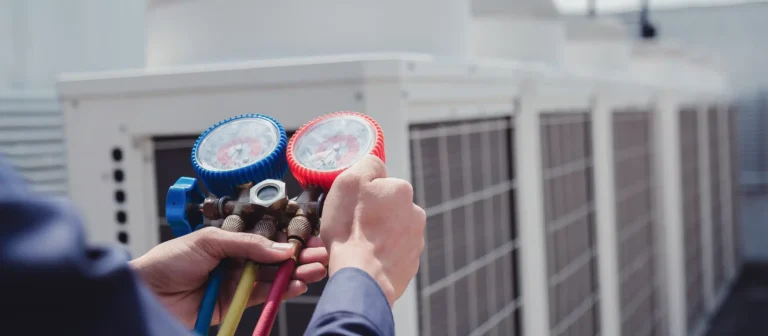
Snakes still have their place. So do repairs, repiping, septic care, and plain old better drain habits. But when a line is coated with years of grime and keeps clogging like it has a subscription plan, hydrojetting is often the difference between temporarily open and genuinely clean.
And if your drain has been acting dramatic, do not take it personally. Pipes are simple creatures. They like slope, clear walls, proper venting, and a little respect. Give them that, and they usually stop auditioning for disaster documentaries.
Name: Service Lion Plumbing Heating Air Electric
Address: 521 W Briardale Ave, Orange, CA 92865, United States
Phone: (657) 567-7305
Website: https://callservicelion.com/
Email: [email protected]
Hours:
Monday: Open 24 hours
Tuesday: Open 24 hours
Wednesday: Open 24 hours
Thursday: Open 24 hours
Friday: Open 24 hours
Saturday: Open 24 hours
Sunday: Open 24 hours
Open-location code: R48R+WV Orange, California, USA
Map/listing URL:
https://www.google.com/maps/search/?api=1&query=Google&query_place_id=ChIJQU4LBWHV3IARtnABtyykSA4
Google Map:
Socials:
https://www.facebook.com/ServiceLionCA/
https://www.youtube.com/channel/UCR_L35QzsRTxYZtX8PxJvPw
Local Service Information
Service Lion Plumbing Heating Air Electric provides plumbing, drain, heating, air conditioning, and electrical services from its Orange, California location.The company serves homeowners and properties throughout Orange and communities across Orange County and surrounding areas.
Available services include plumbing repairs, water heater work, drain and sewer services, heating and cooling service, electrical repairs, panels, lighting, outlets, and related home-system work.
Service is available for residential properties as well as light commercial needs described within the company's local service-area information.
The company's website emphasizes locally operated service, coordinated home-system support, and practical scheduling for plumbing, HVAC, and electrical needs.
The matching public business listing shows the Orange location as open 24 hours a day, seven days a week.
For service information or scheduling, call (657) 567-7305 or visit https://callservicelion.com/.
The public map listing identifies the business at 521 W Briardale Ave, Orange, CA 92865 and can be used for location and direction information.
Popular Questions About Service Lion Plumbing Heating Air Electric
What services does Service Lion Plumbing Heating Air Electric provide?
The company provides plumbing, drain and sewer, heating, air conditioning, and electrical services. Its published services include plumbing repair, water heaters, drain clearing, sewer work, HVAC repair and installation, electrical repairs, panels, circuit breakers, lighting, outlets, and related services.
Where is Service Lion Plumbing Heating Air Electric located?
The matching business location is 521 W Briardale Ave, Orange, CA 92865, United States.
What areas does Service Lion Plumbing Heating Air Electric serve?
The company serves Orange County and surrounding communities. Its published service-area information includes Orange, Anaheim, Brea, Yorba Linda, Fullerton, Huntington Beach, Newport Beach, Costa Mesa, Irvine, Lake Forest, and additional nearby cities.
Is Service Lion Plumbing Heating Air Electric open 24 hours?
The matching public business listing shows the location as open 24 hours on Monday through Sunday.
Does Service Lion Plumbing Heating Air Electric work on drains and sewer lines?
Yes. Published services include drain clearing, rooter service, camera inspection, hydro jetting, sewer line repair and installation, water line work, slab leak detection, and trenchless sewer line repair.
Does Service Lion Plumbing Heating Air Electric provide heating and air conditioning service?
Yes. Its published HVAC services include air conditioning repair and installation, heating service, furnace work, heat pumps, air ducts, indoor air quality assessments, and thermostat installation.
Does Service Lion Plumbing Heating Air Electric provide electrical service?
Yes. Published electrical services include repairs and installations, electrical panels, circuit breakers, safety inspections, lighting, outlets and switches, surge protection, generators, and EV charging equipment installation.
How can I contact Service Lion Plumbing Heating Air Electric?
Call (657) 567-7305.
Email: [email protected]
Website: https://callservicelion.com/
Facebook: https://www.facebook.com/ServiceLionCA/
Landmarks Near Orange, California
Old Towne Orange Historic District
A central historic district and useful geographic reference point for the Orange community.
Plaza Park
A well-known public gathering point in the center of Old Towne Orange.
Orange Public Library & History Center
A civic landmark serving residents near central Orange.
Hart Park
A major public park and recreation area south of central Orange.
Eisenhower Park
A public park serving neighborhoods in northern Orange.
Santiago Oaks Regional Park
A regional recreation and open-space landmark on the eastern side of Orange.
Irvine Regional Park
A large regional park and recognizable reference point east of the city.
Orange Park Acres
A distinctive residential community and service-area reference point in eastern Orange.
El Modena
An established Orange neighborhood that provides a practical local coverage reference.
Glassell Street
One of the city's principal north-south streets and a useful route through central Orange.
Lincoln Avenue
A major east-west roadway serving northern Orange and nearby communities.
State Route 55
A primary regional freeway connecting Orange with other parts of Orange County.