Plumbing Repiping Benefits for Renovations and Aging Homes
There is a special kind of optimism that comes with renovating an older home. You pull up tired carpet and find hardwood. You remove a wall and suddenly the dining room stops feeling like a penalty box. You imagine new tile, better lighting, a kitchen where two people can stand without performing a slow-motion square dance around the dishwasher.
Then someone turns on the shower upstairs and the kitchen faucet coughs like a Victorian chimney sweep.
That is when the house politely reminds you that charm has plumbing behind it.
Plumbing repiping is not the glamorous part of a renovation. Nobody invites friends over to admire properly sized PEX runs or fresh copper lines. There are no glossy magazine spreads titled “Ten Pipe Layouts That Will Change Your Life,” although frankly there should be. But if you own an aging home or you are already opening walls for a remodel, repiping can be one of the smartest investments you make. It solves problems you can see, prevents problems you have not met yet, and gives your shiny new renovation the infrastructure it deserves.
A new bathroom sitting on old, corroded supply lines is like putting a tuxedo on a raccoon. It may look sharp for a moment, but chaos is still in the walls.
The hidden plumbing problem in older homes
Many homes built before the 1980s have plumbing systems that are nearing, at, or past their expected service life. The exact condition depends on water quality, pipe material, workmanship, maintenance history, and whether a previous owner fancied themselves a weekend Plumber after watching twelve minutes of a home improvement show.
Galvanized steel pipe, common in older homes, is one of the usual suspects. It corrodes from the inside out. The frustrating part is that the outside may look sturdy while the inside has narrowed to a crusty little tunnel, like an artery after a county fair diet. Water pressure drops, fixtures sputter, rust stains appear, and every repair becomes a negotiation with metal that has no interest in cooperating.
Copper, when properly installed, can last a long time, often several decades. But copper is not immortal. Acidic water, poor installation, aggressive water chemistry, improper grounding, and age can lead to pinhole leaks. Polybutylene, used in some homes from the late 1970s through the mid-1990s, has a reputation that makes many plumbers sigh before the conversation even begins. It can become brittle and fail unpredictably.
Then there are homes with a little of everything. A bit of galvanized, a bit of copper, a mystery length of plastic, a repair coupling from 1998, and one section that appears to have been installed by someone holding a flashlight in their teeth during a thunderstorm. Mixed materials are not always wrong, but patchwork systems often tell a story of repeated leaks and temporary fixes.
Plumbing leak repair is useful when the problem is isolated. If one joint failed because of a specific issue, repair it and move on with your life. But when leaks become a recurring character in the household drama, repiping starts looking less like an upgrade and more like a truce agreement.
Why renovations are the perfect time to repipe
The best time to replace plumbing is when the walls are already open. Drywall dust is already in the air, the bathroom is already unusable, and someone has already said, “While we’re at it,” which is the official mating call of renovation budgets.
Repiping during a remodel reduces duplicated labor. If a crew has to open finished walls later, you pay to remove and replace surfaces you just paid to install. That beautiful tile shower? A plumber can access pipes behind it, yes, but nobody enjoys having that conversation six months after the grout cures. Renovation creates access, and access saves money, time, and domestic goodwill.
Kitchen and bathroom remodels are especially good candidates. These rooms demand reliable hot and cold water, good pressure, proper shutoffs, and well-planned fixture placement. If you are moving a vanity, adding a second sink, relocating a shower valve, installing a pot filler, or upgrading to a larger soaking tub, the supply lines need to keep up. Old pipes that barely served the previous layout may not handle the new one gracefully.
A renovation also gives your plumber a chance to correct older design choices. Some homes have long hot water runs that make you wait a full minute at the sink, which is enough time to question your life choices and check the weather. Some have undersized branch lines feeding multiple fixtures. Some lack accessible shutoff valves. Repiping allows the system to be redesigned for how people actually live now, not how a builder guessed they might live in 1956.
The practical benefits you actually feel
The most satisfying plumbing improvements are not always dramatic. They show up in daily habits. The shower stays strong when someone starts the washing machine. The upstairs sink no longer takes the scenic route to hot water. The dishwasher fills correctly. The guest bathroom stops producing water that looks faintly like tea.
Better water pressure is often the first thing homeowners notice after plumbing repiping, especially when old galvanized lines are removed. Corrosion narrows the pipe interior over time, restricting flow. A new pipe with the correct diameter restores capacity. Pressure and flow are not the same thing, though they get blamed for each other at dinner parties more often than they should. Pressure is the force in the system, while flow is the volume delivered. You can have adequate pressure but poor flow because the pipe interior is choked with corrosion. Repiping addresses that restriction.
Water quality can improve as well. If rust, sediment, or metallic taste comes from aging pipes, replacement may help. It will not fix every water quality issue, of course. Hard water, chlorine taste, sulfur odors, and mineral content may need separate treatment. That is where water softener installation or filtration can enter the picture. A good plumber will separate pipe problems from water chemistry problems instead of selling one magic cure for everything, because plumbing is not a carnival booth.
Repiping also reduces the risk of hidden leaks. Small leaks behind walls can cause mold, rot, damaged insulation, warped flooring, and pest problems. A slow drip under a bathroom can quietly damage framing for months before anyone notices. By the time a stain appears on the ceiling, the leak has already written several chapters. Replacing vulnerable piping lowers the chance of these failures, particularly in homes with known problematic materials or widespread corrosion.
Insurance and resale value may come into play too. Some buyers get nervous when an inspection report mentions old galvanized or polybutylene piping. Lenders and insurers vary in how they view plumbing materials, but a modern repipe can remove a point of friction in a sale. Even if you are not planning to sell soon, having a documented plumbing upgrade is useful. Future you, holding a folder of permits and invoices, will be smug in the best possible way.
Repiping is not just for disaster houses
A common mistake is waiting until plumbing fails spectacularly. Homeowners often assume repiping is only for houses with active leaks, stained ceilings, or water pressure so weak the shower feels like being misted by a decorative fern. But repiping can be preventive, especially during renovation.
Think of it like replacing an old roof before the rain arrives in the living room. Nobody says, “But only one shingle is leaking directly onto the piano.” They understand that systems age as systems. Plumbing deserves the same respect, although admittedly it has worse public relations.
If your home is 40, 50, or 70 years old and still has original supply piping, it is worth having the system evaluated. The goal is not to scare yourself into a major project. The goal is to make a clear decision with real information. A plumber can inspect visible pipe, test water pressure, identify materials, look for corrosion, check fixture flow, and discuss your renovation plans.
Sometimes partial repiping makes sense. If you are remodeling one bathroom and the rest of the home has newer copper in good shape, replacing only the old branches serving that bathroom may be reasonable. In other cases, partial work creates awkward transitions and leaves the most fragile sections untouched. Whole-home repiping costs more upfront, but it can be cleaner, more efficient, and less disruptive than doing one section at a time over several years.
The right choice depends on access, budget, pipe condition, and how long you plan to stay in the home. A rental property with limited renovation scope may call for a different strategy than a forever home where the owners are already rebuilding the kitchen and two baths. Good tradespeople do not treat every house like the same puzzle. They look at the pieces before reaching for the saw.
Materials matter, but installation matters more
Homeowners often ask whether PEX or copper is better. It is a fair question, and it has started more spirited debates than some local elections.
Copper is rigid, durable, familiar, and resistant to ultraviolet light. It has a long track record when installed correctly and used with compatible water chemistry. It also costs more than PEX in many markets, and installation usually takes longer because of cutting, fitting, soldering or pressing, and careful routing. Copper can be vulnerable to freezing damage, theft in vacant properties, and certain water conditions.
PEX is flexible, faster to install, resistant to scale buildup, and forgiving in tight framing. It can reduce the number of fittings hidden in walls because long runs can bend around obstacles. It also expands better than rigid pipe in some freeze events, though no pipe should be asked to perform miracles in an unheated crawlspace. PEX must be protected from prolonged sunlight, installed with compatible fittings, and kept away from excessive heat sources.
CPVC appears in some homes as well, though it has become less popular in certain regions. It can work in the right conditions, but age, brittleness, and installation quality matter a great deal. If existing CPVC is cracking during repairs, that is not a subtle hint. That is the house waving a little white flag.
A short comparison helps, provided we do not pretend pipe choice is a personality test:
| Material | Strengths | Watch-outs | |---|---|---| | Copper | Long track record, rigid, durable, widely accepted | Higher cost, water chemistry sensitivity, labor intensive | | PEX | Flexible, efficient installation, fewer hidden fittings possible | Needs UV protection, proper support, correct fittings | | CPVC | Lower material cost, corrosion resistant | Can become brittle, sensitive to installation quality and temperature limits |
The better material is the one suited to the house, local code, water conditions, budget, and installer skill. A beautiful material installed poorly becomes an expensive regret. A modest material installed thoughtfully can deliver years of quiet service, which is exactly what plumbing should do. Plumbing should not seek attention. If your pipes are the main topic at breakfast, something has gone wrong.
What repiping can improve during a bathroom remodel
Bathrooms expose plumbing weaknesses quickly. Multiple fixtures sit close together, hot water demand rises, and people notice every pressure change because shampoo waits for no one.
During a bathroom renovation, repiping allows the plumbing layout to match the new design. A modern shower may have a rain head, handheld sprayer, body sprays, or a thermostatic valve. These fixtures can require more flow than a basic showerhead from decades ago. If old half-inch lines feed a complex shower system, disappointment may arrive wearing polished chrome.
A plumber can evaluate whether supply line sizing, valve selection, and water heater capacity all support the plan. This is where trades overlap. If you are adding a large tub, you may need water heater installation or water heater repair before blaming the faucet for slow filling. If the bathroom has electric radiant floor heat, an Electrician should be part of the planning. If a ventilation fan needs upgrading, coordinate that too. Renovations punish poor sequencing.
Repiping also gives you a chance to add accessible shutoff valves. This sounds boring until a toilet supply line fails at 11:40 p.m. And you have to shut water off to the entire house while someone holds a mixing bowl under the leak. Local shutoffs are small acts of mercy.
Old shower valves may lack modern pressure balancing or thermostatic protection. Upgrading supply lines at the same time as the valve can improve performance and safety. Nobody wants the shower to turn glacial because a dishwasher started downstairs, and nobody wants a surprise blast of hot water because someone flushed a toilet. Plumbing has a sense of humor, but it is not always kind.
Kitchen renovations and the great pipe reality check
Kitchens carry more plumbing demand than many people realize. Sink, dishwasher, refrigerator ice maker, pot filler, instant hot dispenser, water filtration, and sometimes a secondary prep sink all need proper supply connections and shutoffs. Add a larger family, more cooking, and modern appliances, and the old plumbing starts breathing heavily.
Repiping during a kitchen remodel allows clean routing, correct fixture placement, and better shutoff access. It is also the right time to inspect drains. Supply pipes get much of the attention, but drain cleaning, Rooter service, and Hydrojetting may be needed if old drain lines are clogged with grease, scale, or roots. Repiping supply lines will not fix a drain that gurgles like a swamp creature after Thanksgiving dinner.
If you are moving the sink to an island, planning gets more complicated. Venting, drain slope, floor structure, and access all matter. A skilled plumber will look beyond the pretty cabinet renderings and ask impolite but necessary questions. Where does the drain run? Can we vent it legally? What joists are in the way? Is there room for the disposal? Can the dishwasher drain be installed correctly? These questions are not obstacles. They are how you avoid inventing a plumbing problem in the name of open-concept living.
Water quality upgrades also fit naturally into kitchen work. Water softener installation can protect fixtures and appliances in hard water areas. Point-of-use filtration can improve drinking water taste. If hard water has been beating up faucets, dishwashers, and water heaters for years, replacing pipes without addressing water conditions may leave part of the problem untouched.
Aging homes often need more than pipes
Repiping is sometimes the first domino. Not in the scary, budget-devouring sense, although let us not insult the truth. Older homes often have interconnected systems. You open a wall for plumbing and discover outdated wiring. You move a water heater and realize combustion air or venting needs attention. You finish a basement and discover the floor drain has opinions.
That does not mean every project turns into a full-house overhaul. It means good renovation planning includes the right trades at the right time. An Electrician may need to update bonding, grounding, circuits, or lighting. A Lighting contractor can help coordinate recessed lights or vanity fixtures before walls close. If mechanical systems share chases or utility rooms, a Heating contractor or Air conditioning contractor may need to coordinate space with plumbing.
Water heaters deserve special attention. Fresh piping can reveal weak performance from an old tank. If a water heater is near the end of its life, combining repiping with water heater installation may save labor and reduce future disruption. If the unit is newer but underperforming, water heater repair may be enough. Tankless systems, recirculation lines, and high-demand fixtures require careful sizing, not wishful thinking written on a proposal.
Homes with gas appliances may also need a Gas installation service if layouts change or equipment is upgraded. Furnace repair service might enter the picture if utility room work uncovers venting or combustion issues. Heat pump installation can affect plumbing planning in homes shifting toward electrification, especially where old mechanical rooms are being reorganized. Air conditioning maintenance, Air conditioning repair, and an Air conditioning tune-up may seem unrelated to repiping, but anyone who has worked in cramped basements knows pipes, ducts, drains, condensate lines, and access panels all compete for the same real estate.
If the home uses a septic system, remodeling can increase water use. Adding bathrooms, larger tubs, or more occupants may affect septic load. A Septic system service provider can evaluate whether the system is healthy and appropriately sized. It is better to have that conversation before the backyard starts acting like a haunted pudding.
Signs your home may be ready for repiping
A single symptom does not always mean whole-home repiping is necessary. Still, patterns matter. If several of these show up together, it is time for a professional evaluation.
- Frequent leaks or repeated plumbing leak repair in different areas of the home.
- Rust-colored water, metallic taste, or sediment that appears after water sits in the pipes.
- Low flow at multiple fixtures, especially when more than one fixture runs.
- Visible corrosion, flaking, discoloration, or old galvanized piping.
- Planned renovations that will open walls, floors, ceilings, kitchens, or bathrooms.
That list is not a diagnosis. It is a nudge. Plumbing systems fail in stages, and the early signs are easy to dismiss. Homeowners get used to quirks. The left sink is slow. The shower drops pressure when the washer runs. The downstairs bathroom smells odd after rain. The hose bib screams if opened too far. Every old house has a personality, but not every personality trait deserves preservation.
Cost, disruption, and the honest mess of it all
Repiping is real work. It costs money, creates noise, opens walls, and temporarily interrupts water service. Anyone who claims otherwise is either new, wildly optimistic, or selling something from a folding table.
Costs vary widely by region, home size, pipe material, access, number of fixtures, permit requirements, wall repair needs, and whether the project is partial or whole-home. A small single-story home with crawlspace access is a different animal from a three-story plaster-walled house with finished ceilings and five bathrooms. Plaster, tile, masonry, tight attics, slab foundations, and historic finishes all affect labor.
For many homes, repiping can take several days to more than a week, depending on complexity. Water may be shut off during portions of the work, though crews often restore service at the end of the day when possible. Drywall repair and painting may add time after the plumbing inspection. If the repipe is part of a larger renovation, scheduling can be smoother because surfaces are already being removed and replaced.
The most important cost conversation is not just “How much?” It is “What is included?” Homeowners should understand whether the proposal covers permits, inspections, wall openings, patching, fixture reconnections, shutoff valves, hose bibs, water heater connections, recirculation lines, and old pipe removal where accessible. Some contractors handle drywall repair. Others do not. Neither approach is wrong if it is clearly stated. Surprise exclusions are where trust goes to die.
A good estimate should not feel like a riddle wrapped in a receipt. It should explain scope, materials, timeline, and assumptions. If a contractor refuses to discuss access or cannot explain why they recommend one material over another, keep asking questions. Pipes live in walls. You deserve clarity before they disappear behind fresh paint.
Permits are not decorative paperwork
Permits can feel annoying. They add steps, fees, and inspection scheduling. Still, for repiping work, permits matter. They help verify that materials, sizing, support, protection, and connections meet code. They also create a record for future buyers, insurers, and appraisers.
Code requirements vary by location. Pipe support spacing, protection plates, water heater connections, pressure regulation, expansion control, backflow prevention, and seismic strapping may all be relevant depending on the jurisdiction. A licensed plumber should know local requirements and coordinate inspections.
Unpermitted work may not cause immediate trouble, but it can become a problem during resale or insurance claims. More importantly, it may hide poor installation. There is a difference between a homeowner replacing a faucet and someone rerouting half the domestic water system behind closed walls. One is a Saturday project with a towel nearby. The other deserves professional oversight.
Repiping and water pressure, the part everyone argues about
Many homeowners ask for “more pressure” when they really need better flow. The distinction matters because the fix may differ.
If municipal pressure entering the home is low, repiping alone may not solve the issue. The service line from the street, pressure reducing valve, meter size, or city supply could be involved. If the home has a well, the pressure tank, pump settings, filters, or well yield may matter. If pressure is high, that can damage fixtures and increase leak risk, so adding “more” would be like curing a headache with a marching band.
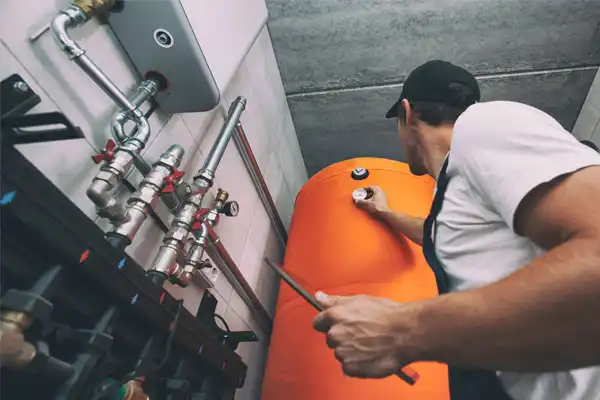
If pressure is adequate but old pipes are restricted, repiping can make a dramatic difference. This happens often with galvanized supply lines. I have seen old pipe removed with openings so narrow you wonder how water got through without filing a complaint. In those homes, new piping can make the shower feel like it joined the modern era.
Fixture choices also affect perceived pressure. Some modern faucets and showerheads have flow restrictions to conserve water. That is not a defect. It is by design. But if homeowners expect a luxury shower with multiple outlets, the system must be planned accordingly. Pipe sizing, valve capacity, water heater output, and drain capacity all need to match the fantasy. Pinterest does not check gallons per minute. Plumbers do.
The renovation sequence that saves headaches
Repiping works best when planned early, not squeezed in after cabinets arrive. The plumber should review drawings, fixture selections, appliance locations, and any mechanical changes before rough-in begins. If the project involves moving walls, changing bathrooms, updating HVAC, or adding electrical loads, coordination prevents conflicts.
A typical renovation rhythm starts with assessment, then demolition, rough plumbing, inspection, wall closure, finish surfaces, fixture installation, and final testing. Real projects wobble, of course. A hidden beam appears. Tile is delayed. Someone changes the vanity from single to double sink after rough-in because apparently peace was too easy. Even so, early planning gives the project room to adapt.
For occupied homes, phasing matters. Families can often live through repiping if at least one bathroom remains usable and water service is restored daily. For larger jobs, some homeowners choose to stay elsewhere during the messiest phase. There is no medal for brushing your teeth in a laundry sink while drywall dust settles on your socks. If temporary relocation reduces stress, take the win.
Choosing the right plumber for repiping
Repiping is not the same as swapping a faucet or clearing a trap. It requires planning, clean routing, code knowledge, careful demolition, pressure testing, and respect for finished surfaces. The right Plumber will ask questions before giving answers. They will want to know the age of the home, pipe material, water heater type, fixture plans, access points, water quality concerns, and whether other trades are involved.
Here is a compact way to judge proposals without turning your dining table into a courtroom exhibit:
- Look for a clear written scope that names materials, fixture areas, shutoffs, permits, and exclusions.
- Ask how walls, ceilings, floors, and tile will be accessed and who repairs them afterward.
- Confirm licensing, insurance, local code familiarity, and inspection handling.
- Discuss water heater capacity, pressure regulation, and any water treatment needs.
- Ask how long water will be off and how the crew protects occupied areas.
Price matters, but the cheapest repipe can become expensive if it skips valves, ignores access, uses poor fittings, or leaves patching chaos behind. The highest bid is not automatically best either. You want the contractor who explains the work clearly, respects the house, and notices details before they become change orders.
When repiping is not the whole answer
Repiping supply lines solves many problems, but it does not fix everything that carries water. Drains, vents, sewer laterals, water heaters, wells, filtration, pressure valves, and fixtures may have their own issues.
If multiple drains run slowly, drain cleaning or Rooter service may be needed. If roots have invaded a sewer line, Hydrojetting or sewer repair may be appropriate depending on pipe condition. If hot water runs out quickly after adding a large tub, the issue may be water heater capacity. If white scale coats fixtures, hard water treatment may be the missing piece. If pipes bang when valves close, pressure, supports, expansion, or water hammer arrestors may need attention.
This is why good diagnosis matters. Homeowners sometimes request one service because they have named the symptom themselves. A plumber’s job is to confirm the cause. Low flow could be corroded piping, a clogged aerator, a failing pressure reducing valve, a partially closed main shutoff, mineral-clogged fixtures, or municipal supply problems. The repair should fit the cause, not the loudest guess.
The comfort of boring plumbing
The highest compliment for a repipe is that, after a while, you stop thinking about it. The shower works. The kitchen sink behaves. The new bathroom does not sabotage the ceiling below. Guests wash Click to find out more their hands without receiving a plumbing history lesson. Your renovation feels solid because the systems behind it are solid.
Aging homes deserve that kind of care. Their trim, floors, brickwork, and odd little built-ins give them character. Their failing pipes do not. There is preservation, and then there is sentimentality with a mop.
If you are renovating, repiping is worth discussing before the walls close. If your home is older and showing signs of repeated leaks, rusty water, or weak flow, it is worth evaluating even without a remodel. The project may not be flashy, but it protects the flashy work. It supports better bathrooms, smarter kitchens, reliable water heaters, improved water quality, and fewer emergency calls that begin with, “So, we heard dripping.”
Fresh paint gets compliments. New tile gets admiration. Proper plumbing gets silence.
And in a house, silence from the plumbing is pure luxury.
Name: Service Lion Plumbing Heating Air Electric
Address: 521 W Briardale Ave, Orange, CA 92865, United States
Phone: (657) 567-7305
Website: https://callservicelion.com/
Email: [email protected]
Hours:
Monday: Open 24 hours
Tuesday: Open 24 hours
Wednesday: Open 24 hours
Thursday: Open 24 hours
Friday: Open 24 hours
Saturday: Open 24 hours
Sunday: Open 24 hours
Open-location code: R48R+WV Orange, California, USA
Map/listing URL:
https://www.google.com/maps/search/?api=1&query=Google&query_place_id=ChIJQU4LBWHV3IARtnABtyykSA4
Google Map:
Socials:
https://www.facebook.com/ServiceLionCA/
https://www.youtube.com/channel/UCR_L35QzsRTxYZtX8PxJvPw
Local Service Information
Service Lion Plumbing Heating Air Electric provides plumbing, drain, heating, air conditioning, and electrical services from its Orange, California location.The company serves homeowners and properties throughout Orange and communities across Orange County and surrounding areas.
Available services include plumbing repairs, water heater work, drain and sewer services, heating and cooling service, electrical repairs, panels, lighting, outlets, and related home-system work.
Service is available for residential properties as well as light commercial needs described within the company's local service-area information.
The company's website emphasizes locally operated service, coordinated home-system support, and practical scheduling for plumbing, HVAC, and electrical needs.
The matching public business listing shows the Orange location as open 24 hours a day, seven days a week.
For service information or scheduling, call (657) 567-7305 or visit https://callservicelion.com/.
The public map listing identifies the business at 521 W Briardale Ave, Orange, CA 92865 and can be used for location and direction information.
Popular Questions About Service Lion Plumbing Heating Air Electric
What services does Service Lion Plumbing Heating Air Electric provide?
The company provides plumbing, drain and sewer, heating, air conditioning, and electrical services. Its published services include plumbing repair, water heaters, drain clearing, sewer work, HVAC repair and installation, electrical repairs, panels, circuit breakers, lighting, outlets, and related services.
Where is Service Lion Plumbing Heating Air Electric located?
The matching business location is 521 W Briardale Ave, Orange, CA 92865, United States.
What areas does Service Lion Plumbing Heating Air Electric serve?
The company serves Orange County and surrounding communities. Its published service-area information includes Orange, Anaheim, Brea, Yorba Linda, Fullerton, Huntington Beach, Newport Beach, Costa Mesa, Irvine, Lake Forest, and additional nearby cities.
Is Service Lion Plumbing Heating Air Electric open 24 hours?
The matching public business listing shows the location as open 24 hours on Monday through Sunday.
Does Service Lion Plumbing Heating Air Electric work on drains and sewer lines?
Yes. Published services include drain clearing, rooter service, camera inspection, hydro jetting, sewer line repair and installation, water line work, slab leak detection, and trenchless sewer line repair.
Does Service Lion Plumbing Heating Air Electric provide heating and air conditioning service?
Yes. Its published HVAC services include air conditioning repair and installation, heating service, furnace work, heat pumps, air ducts, indoor air quality assessments, and thermostat installation.
Does Service Lion Plumbing Heating Air Electric provide electrical service?
Yes. Published electrical services include repairs and installations, electrical panels, circuit breakers, safety inspections, lighting, outlets and switches, surge protection, generators, and EV charging equipment installation.
How can I contact Service Lion Plumbing Heating Air Electric?
Call (657) 567-7305.
Email: [email protected]
Website: https://callservicelion.com/
Facebook: https://www.facebook.com/ServiceLionCA/
Landmarks Near Orange, California
Old Towne Orange Historic District
A central historic district and useful geographic reference point for the Orange community.
Plaza Park
A well-known public gathering point in the center of Old Towne Orange.
Orange Public Library & History Center
A civic landmark serving residents near central Orange.
Hart Park
A major public park and recreation area south of central Orange.
Eisenhower Park
A public park serving neighborhoods in northern Orange.
Santiago Oaks Regional Park
A regional recreation and open-space landmark on the eastern side of Orange.
Irvine Regional Park
A large regional park and recognizable reference point east of the city.
Orange Park Acres
A distinctive residential community and service-area reference point in eastern Orange.
El Modena
An established Orange neighborhood that provides a practical local coverage reference.
Glassell Street
One of the city's principal north-south streets and a useful route through central Orange.
Lincoln Avenue
A major east-west roadway serving northern Orange and nearby communities.
State Route 55
A primary regional freeway connecting Orange with other parts of Orange County.