Water Heater Installation for Residential Plumbing Systems
A water heater is one of those household appliances that gets treated like a reliable old mule until the day it quits in dramatic fashion. Nobody writes love poems about dependable hot water. Nobody posts a family photo captioned, “So grateful the shower did not turn into a polar plunge this morning.” But when the water runs cold, the whole house suddenly develops opinions.
Water heater installation sits at the intersection of comfort, safety, plumbing judgment, and the kind of trade coordination most homeowners never see. It is not just “put the new cylinder where the old cylinder was and call it a Tuesday.” A proper installation belongs to the larger world of residential plumbing systems, and in many homes it brushes shoulders with gas installation service, electrical work, heating equipment, ventilation concerns, and sometimes even water quality. That is why a seasoned plumber tends to look at the whole room before touching a wrench.
A water heater does not live alone. It has neighbors. Pipes feed it. Drains protect it. Fuel or power runs it. The rest of the house depends on it. Install one without thinking through those relationships and the appliance may work, technically, while still leaving behind a trail of small mistakes waiting to become expensive ones.
The water heater is not an island, even if it acts like one
Most homeowners describe the job in one sentence: “We need a new water heater.” Fair enough. That is the visible problem. But a professional looks at a longer sentence: “We need a water heater installation that fits the existing residential plumbing system, matches the home’s service needs, connects safely to available utilities, and does not create a mess for the next person who has to maintain it.”
That longer sentence is where the real work lives.
Plumbing, heating, and air conditioning trades are often grouped together in the field because homes rarely keep those systems politely separated. A contractor who handles plumbing and HVAC work may also deal with furnace repair service, heating contractor tasks, air conditioning maintenance, and equipment installation tied to water, air, fuel, or power. Electrical work is its own discipline, but it often shows up in the same mechanical spaces. A water heater may require attention from an electrician, a plumber, or a gas installation service depending on the setup. The appliance does not care about your schedule. It only cares whether every connection was made correctly.
This is also why the best installers tend to have a slightly nosy streak. They look at shutoff valves, nearby drains, pipe condition, clearance, access, and signs of past leaks. They ask about hot water habits, not because they are collecting material for a neighborhood gossip column, but because sizing and performance are connected to how the house is actually used. A couple with a dishwasher and one shower has different expectations than a family with teenagers, laundry, guests, and a bathtub that appears to have been designed for a small sea mammal.
Replacing “like for like” is not always the clever move
A common assumption is that the new water heater should match the old one. Sometimes that is the cleanest path. Sometimes it is just repeating a bad decision made by someone in a hurry years ago.
Old installations can be full of inherited compromises. The unit may have been squeezed into a cramped corner. The piping may have been altered several times. The house may have gone through plumbing repiping, fixture upgrades, a water softener installation, or remodeling that changed hot water demand. Maybe the old heater limped along for years while everyone blamed “the pipes” for slow hot water or inconsistent temperature. Houses collect these little myths. A good plumber treats them with suspicion.
The right replacement conversation starts with the home, not the box. Is the current location still practical? Are valves accessible? Is there room for maintenance? Does the installation depend on plumbing that has seen better decades? Are there signs that water heater repair has become a recurring hobby? Has the homeowner been calling for plumbing leak repair around the same mechanical area? Those clues matter.
An installer with field experience knows the difference between a simple replacement and a situation that deserves a pause. The pause is not upselling. It is the professional version of noticing the bridge is missing before driving across it.
The first visit tells the truth
A solid installation begins before the old unit comes out. The installer studies the existing system and asks the unglamorous questions. Where does the water shut off? Where does the appliance drain? How are hot and cold lines routed? What other equipment shares the area? Are there signs of corrosion, leaking, past repairs, or poor access?
This walkthrough often reveals whether the job is straightforward or whether the water heater has been quietly serving as a museum exhibit of previous workmanship. I have seen installations where the shutoff valve was technically present but positioned so badly that using it required the flexibility of a circus performer. I have seen utility spaces where an air conditioning contractor could not reasonably service nearby equipment because plumbing had been run like spaghetti thrown in anger. Nobody benefits from that.
A good mechanical room should allow service. That matters for water heater repair later, and it matters for adjacent work too. If the home also has heating and cooling equipment nearby, future air conditioning repair, air conditioning tune-up visits, heat pump installation, or furnace repair service may depend on safe, clear access. The water heater installer who thinks only about today can make tomorrow’s service call much worse.
The quiet importance of drainage
Water and drains have a relationship best described as “inevitable.” Any water heater installation should consider what happens when water needs to leave the appliance, whether during service, replacement, or a failure. This is not dramatic thinking. It is ordinary plumbing caution.
Residential plumbing systems already handle wastewater through drains, traps, venting arrangements, sewer connections, septic components, or related drainage infrastructure. A home that relies on septic system service has a different overall plumbing context than one tied to municipal sewer, but in either case, drainage deserves respect. When drain performance is already questionable, water heater work may expose problems that were hiding in plain sight.
If a nearby drain runs slowly, gurgles, backs up, or smells wrong, that may point toward a need for drain cleaning, rooter service, or, in more stubborn cases, hydrojetting. The water heater did not cause every drain issue, of course. Appliances are often blamed for crimes committed by old piping, grease, roots, or years of neglect. Still, a careful plumber notices these things because an installation does not happen in a vacuum.
There is a particular kind of homeowner panic that appears when a simple appliance replacement turns into “we found a drain problem.” Nobody enjoys that moment. But finding it while professionals are already on site is usually better than discovering it during a leak, backup, or weekend emergency when the house is full of relatives and someone has just announced they need a shower.
Fuel, power, and the trades that keep each other honest
Water heaters may involve plumbing connections, gas connections, electrical connections, or some combination of mechanical considerations. That means the boundaries between trades matter. A plumber may be highly skilled at water piping and appliance installation, while an electrician handles dedicated electrical work. A gas installation service may be needed where fuel piping or gas appliance connections are part of the job. In homes with broader mechanical upgrades, a heating contractor or air conditioning contractor may be involved in nearby systems.
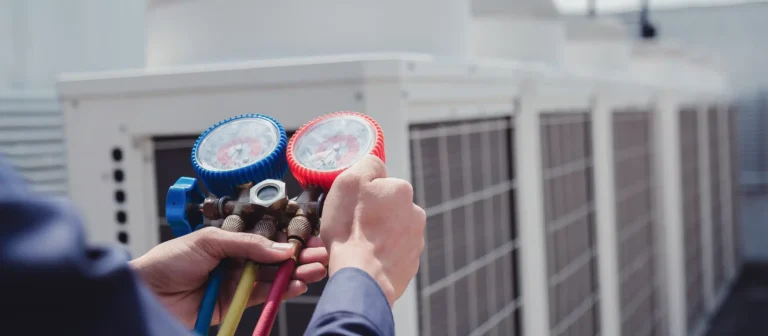
This is not bureaucracy for sport. It is how homes stay safe and serviceable.
Electrical work is recognized separately from plumbing, heating, and air conditioning work, and that distinction exists for a reason. The same goes for specialized HVAC work, including installation, maintenance, and repair of heating, ventilation, and air conditioning equipment. A contractor who offers air conditioning repair service, air conditioning maintenance, heat pump installation, or furnace repair service operates in a world where correct installation affects performance and failure risk. The same principle applies to water heaters. The appliance may be different, but the professional habit is the same: install it correctly, verify the connections, and do not guess where expertise is required.
When multiple trades are needed, coordination beats improvisation. The homeowner should not have to referee a mechanical talent show in the garage. A well-run service business knows when to bring in the right person, whether that is a plumber, electrician, lighting contractor, heating contractor, or HVAC technician. The best ones communicate in plain English, which is merciful, because nobody wants a dissertation in trade jargon while standing next to a cold shower.
What a professional looks for before installation day
A homeowner does not need to become a plumber to have an intelligent conversation about water heater installation. Still, it helps to understand what the professional is evaluating. The visible appliance is only part of the decision.
Here is a short, practical pre-installation checklist that keeps the discussion grounded:
- The condition and accessibility of hot and cold water piping near the heater.
- The location and usability of shutoff valves, drains, fuel lines, or electrical connections.
- Signs of prior leaks, corrosion, poor repairs, or recent plumbing leak repair.
- The home’s hot water demand, including bathrooms, laundry, kitchen use, and household routines.
- Nearby equipment that may need clearance for future service, such as heating or air conditioning systems.
That is the sort of list that saves everyone from surprises. It also gives the installer a chance to explain trade-offs before the old unit is disconnected and the clock starts ticking.
The temptation of the fastest possible job
Speed has its place. If a household has no hot water, nobody wants a contractor to move at the pace of a sleepy museum docent. But speed without judgment is how sloppy installations happen.
A rushed water heater installation often leaves behind small annoyances that do not show up until later. Valves may be hard to reach. Pipes may be arranged awkwardly. Service access may be blocked. The installer may fail to notice that the surrounding plumbing needs attention. A drain issue may be ignored because “that is not part of the heater.” Technically, maybe not. Practically, the homeowner still owns the problem.
The right pace is efficient but observant. Plumber A good plumber works with purpose, not panic. They explain when the job is routine and when something deserves extra attention. They do not turn every observation into a sales pitch, but they also do not pretend a bad valve is fine just because replacing it complicates the afternoon.
There is a kind of professional honesty in saying, “We can install the unit, but this section of piping is not in great shape,” or “The appliance will fit, but service access will be poor unless we adjust this layout.” That honesty is worth more than a suspiciously cheerful promise that everything is simple.
Hot water demand is personal, not theoretical
One of the funnier parts of residential plumbing is how differently families use water. Some households behave like a naval vessel rationing supplies. Others run showers, laundry, and dishes as if they are trying to humidify the county.
The correct water heater choice depends on those habits. A professional should ask questions that feel ordinary because ordinary routines create real demand. Morning showers, evening baths, laundry schedules, kitchen use, visiting relatives, and fixture count all shape expectations. The goal is not merely to install a water heater. The goal is to install one that suits the home.
That said, bigger is not automatically better. Oversizing equipment can create its own drawbacks depending on the system and appliance type. Undersizing creates obvious frustration. The sweet spot comes from matching the installation to the household instead of guessing based on the old unit. The old one may have been perfect. It may also have been the plumbing equivalent of wearing shoes one size too small and insisting they are “broken in.”
Water quality, softeners, and the rest of the plumbing story
Water heater performance and lifespan are influenced by the water passing through the system, although the exact impact varies by local water conditions and equipment. In homes where water softener installation has been considered or completed, the water heater should be part of the discussion rather than an afterthought. Plumbing systems work as a team, even when the team members are bolted to different walls.
A plumber who performs water heater installation may also notice signs that the broader plumbing system needs evaluation. Mineral buildup, recurring leaks, pressure complaints, or fixture issues can suggest that the water heater is only one chapter in a longer book. That does not mean every water heater replacement should turn into plumbing repiping. It means the installer should have enough experience to separate normal aging from patterns that deserve attention.
This is where lived trade experience matters. A technician who has handled drain cleaning, plumbing leak repair, water heater repair, rooter service, and repiping has seen how one symptom can point to several possible causes. The trick is not to jump to the most expensive answer. The trick is to ask better questions.
When HVAC and plumbing share the same stage
Many service companies handle both plumbing and HVAC because the trades often overlap in residential mechanical spaces. Heating, ventilation, and air conditioning contractors install and maintain equipment that affects comfort throughout the home. Air conditioning repair, air conditioning maintenance, and air conditioning tune-up work all depend on proper access, correct installation practices, and attention to details that may not be obvious to a homeowner.
Water heater installation can affect that shared space. A poorly placed appliance may block access to heating equipment. A careless piping layout may make future service clumsy. A mechanical room may contain a furnace, water heater, air conditioning components, electrical panels, lighting, pumps, or other equipment that must remain reachable.
This is why a contractor with both plumbing and HVAC experience often brings useful perspective. They understand that today’s water heater job may influence tomorrow’s furnace repair service or air conditioning repair service. They know that a heat pump installation or heating system upgrade may need room, routing, and planning. They are less likely to create a beautiful water heater installation that makes every other trade silently curse their name.
The best mechanical rooms are not glamorous. They are clear, logical, accessible, and boring in the most wonderful way. Boring is underrated. Boring means the next service technician can do the job without needing a flashlight clenched in their teeth and the patience of a saint.
Repair or replace: the uncomfortable conversation
Water heater repair has its place. Not every problem requires replacement. A repair may make sense when the unit is otherwise serviceable, the issue is isolated, and the surrounding system is in good condition. Replacement becomes more compelling when problems repeat, the appliance no longer meets household needs, or repair costs begin to feel like feeding coins into a machine that insults you.
The decision is not only about the appliance. It is about confidence. If the homeowner has already dealt with multiple service calls, inconsistent hot water, signs of leakage, or related plumbing concerns, a new installation may offer a cleaner path forward. If the unit is relatively recent and the issue is straightforward, repair may be reasonable.
professional air conditioning repairA trustworthy plumber explains both paths. They do not dramatize minor problems. They also do not apply a tiny bandage to a system that is plainly failing. Homeowners can smell fear-based selling from across the basement, and rightly so. The better approach is calm, specific, and practical: here is what is wrong, here is what repair involves, here is what replacement involves, and here is what I would watch for either way.
Permits, standards, and not treating safety like garnish
Residential water heater installation must respect applicable requirements. The exact rules vary by location, equipment type, and project scope, which is why local professional judgment matters. A contractor familiar with plumbing, heating, air conditioning, and related mechanical work understands that installation quality affects safety, performance, and future service.
The same principle appears across HVAC work. Proper installation of heating and cooling equipment involves correct sizing, setup, charging where refrigerant systems are involved, and maintenance practices that reduce failure risk. Water heaters are different appliances, but they belong to the same culture of installation discipline. A system installed carelessly may operate at first, then punish the homeowner later.
No one wants to hear that a permit or inspection adds a step. People want hot water, not paperwork. But the point is not the paper. The point is accountability. A properly installed appliance should be safe, accessible, and appropriate for the home. If a contractor treats basic requirements as optional, that is not a charming act of rebellion. That is a warning sign wearing work boots.
The homeowner’s role, besides making coffee and worrying
A homeowner does not need to hover over the installer, and most technicians would gently prefer they did not. Still, good communication helps. Before installation day, the homeowner should share known issues: recent leaks, drain backups, electrical changes, gas service concerns, remodeling plans, water softener work, or recurring hot water complaints. Small details can prevent wrong assumptions.
It also helps to clear the work area. Mechanical spaces often become storage zones for paint cans, holiday decorations, mystery boxes, and one lonely tennis racket nobody admits owning. Access matters. A clear path reduces delays and lowers the risk of damage to belongings. The installer should protect the home, of course, but no plumber has ever complained that a homeowner made the workspace too easy to reach.
After installation, the homeowner should ask how to operate shutoff valves, what signs of trouble to watch for, and when maintenance should be considered. The answer may vary by equipment and local conditions, so it should come from the professional who sees the actual system. A good contractor will explain without making the homeowner feel as if they have enrolled in night school for mechanical engineering.
The marks of a clean installation
A clean water heater installation has a certain visual logic. Pipes run where they should. Connections look intentional. Access remains available. The area is not left looking like a raccoon hosted a hardware convention. The installer tests, checks, explains, and cleans up.
More importantly, the installation fits the house. It respects the plumbing system, the surrounding equipment, the homeowner’s hot water needs, and the realities of future service. It leaves room for the next plumber, electrician, heating contractor, lighting contractor, or air conditioning repair technician to work without muttering unprintable poetry.
A homeowner can look for a few signs that the job was handled professionally:
- The contractor evaluated the existing plumbing and nearby equipment before starting.
- The installation was explained in plain language, including any limitations or concerns.
- The work area remained accessible for future maintenance and repair.
- The installer addressed visible leak, drain, fuel, or power concerns instead of ignoring them.
- The homeowner received practical guidance on operation and warning signs.
That final conversation matters. A contractor who disappears the second the appliance fires up may have completed the technical task, but they missed the service part of the service business.
Why the right contractor matters more than the brand sticker
Homeowners often focus on the equipment brand, and brand does matter to a degree. But the installer matters at least as much, and often more. A good appliance installed poorly becomes a future complaint. A suitable appliance installed thoughtfully becomes one of those household systems nobody thinks about, which is the highest compliment plumbing ever receives.
Look for a contractor who understands residential plumbing systems as systems. The company may offer plumbing, water heater installation, water heater repair, plumbing leak repair, drain cleaning, rooter service, hydrojetting, plumbing repiping, and water softener installation. If they also provide HVAC services such as air conditioning repair, air conditioning maintenance, air conditioning tune-up, heat pump installation, or furnace repair service, they should still be clear about which qualified professional handles which part of the work. Broad service capability is useful. Blurry responsibility is not.
The best service companies do not act like every trade is interchangeable. They coordinate plumbers, electricians, heating contractors, air conditioning contractors, gas installation specialists, and other technicians as needed. That is the difference between a contractor with range and a contractor with a van full of confidence.
The real goal: boring hot water
The perfect water heater installation is not exciting after it is done. It simply works. Showers stay comfortable. Laundry happens. Dishes get clean. The mechanical space stays dry. Future service remains possible. Nobody in the house has to learn the emotional stages of a cold shower before breakfast.
That kind of boring comfort comes from careful work. It comes from seeing the water heater as part of a larger residential plumbing system. It comes from respecting the roles of plumbing, heating, air conditioning, gas, and electrical professionals. It comes from asking the right questions before the old unit is removed and making choices that will still look sensible years later.
A water heater may not be glamorous, but it is loyal when treated properly. Give it the right installation, a sensible place in the system, and access for future service, and it will do what all great household equipment does best: disappear into the background while everyone enjoys the hot water and takes the miracle completely for granted.
Name: Service Lion Plumbing Heating Air Electric
Address: 521 W Briardale Ave, Orange, CA 92865, United States
Phone: (657) 567-7305
Website: https://callservicelion.com/
Email: [email protected]
Hours:
Monday: Open 24 hours
Tuesday: Open 24 hours
Wednesday: Open 24 hours
Thursday: Open 24 hours
Friday: Open 24 hours
Saturday: Open 24 hours
Sunday: Open 24 hours
Open-location code: R48R+WV Orange, California, USA
Map/listing URL:
https://www.google.com/maps/search/?api=1&query=Google&query_place_id=ChIJQU4LBWHV3IARtnABtyykSA4
Google Map:
Socials:
https://www.facebook.com/ServiceLionCA/
https://www.youtube.com/channel/UCR_L35QzsRTxYZtX8PxJvPw
Local Service Information
Service Lion Plumbing Heating Air Electric provides plumbing, drain, heating, air conditioning, and electrical services from its Orange, California location.The company serves homeowners and properties throughout Orange and communities across Orange County and surrounding areas.
Available services include plumbing repairs, water heater work, drain and sewer services, heating and cooling service, electrical repairs, panels, lighting, outlets, and related home-system work.
Service is available for residential properties as well as light commercial needs described within the company's local service-area information.
The company's website emphasizes locally operated service, coordinated home-system support, and practical scheduling for plumbing, HVAC, and electrical needs.
The matching public business listing shows the Orange location as open 24 hours a day, seven days a week.
For service information or scheduling, call (657) 567-7305 or visit https://callservicelion.com/.
The public map listing identifies the business at 521 W Briardale Ave, Orange, CA 92865 and can be used for location and direction information.
Popular Questions About Service Lion Plumbing Heating Air Electric
What services does Service Lion Plumbing Heating Air Electric provide?
The company provides plumbing, drain and sewer, heating, air conditioning, and electrical services. Its published services include plumbing repair, water heaters, drain clearing, sewer work, HVAC repair and installation, electrical repairs, panels, circuit breakers, lighting, outlets, and related services.
Where is Service Lion Plumbing Heating Air Electric located?
The matching business location is 521 W Briardale Ave, Orange, CA 92865, United States.
What areas does Service Lion Plumbing Heating Air Electric serve?
The company serves Orange County and surrounding communities. Its published service-area information includes Orange, Anaheim, Brea, Yorba Linda, Fullerton, Huntington Beach, Newport Beach, Costa Mesa, Irvine, Lake Forest, and additional nearby cities.
Is Service Lion Plumbing Heating Air Electric open 24 hours?
The matching public business listing shows the location as open 24 hours on Monday through Sunday.
Does Service Lion Plumbing Heating Air Electric work on drains and sewer lines?
Yes. Published services include drain clearing, rooter service, camera inspection, hydro jetting, sewer line repair and installation, water line work, slab leak detection, and trenchless sewer line repair.
Does Service Lion Plumbing Heating Air Electric provide heating and air conditioning service?
Yes. Its published HVAC services include air conditioning repair and installation, heating service, furnace work, heat pumps, air ducts, indoor air quality assessments, and thermostat installation.
Does Service Lion Plumbing Heating Air Electric provide electrical service?
Yes. Published electrical services include repairs and installations, electrical panels, circuit breakers, safety inspections, lighting, outlets and switches, surge protection, generators, and EV charging equipment installation.
How can I contact Service Lion Plumbing Heating Air Electric?
Call (657) 567-7305.
Email: [email protected]
Website: https://callservicelion.com/
Facebook: https://www.facebook.com/ServiceLionCA/
Landmarks Near Orange, California
Old Towne Orange Historic District
A central historic district and useful geographic reference point for the Orange community.
Plaza Park
A well-known public gathering point in the center of Old Towne Orange.
Orange Public Library & History Center
A civic landmark serving residents near central Orange.
Hart Park
A major public park and recreation area south of central Orange.
Eisenhower Park
A public park serving neighborhoods in northern Orange.
Santiago Oaks Regional Park
A regional recreation and open-space landmark on the eastern side of Orange.
Irvine Regional Park
A large regional park and recognizable reference point east of the city.
Orange Park Acres
A distinctive residential community and service-area reference point in eastern Orange.
El Modena
An established Orange neighborhood that provides a practical local coverage reference.
Glassell Street
One of the city's principal north-south streets and a useful route through central Orange.
Lincoln Avenue
A major east-west roadway serving northern Orange and nearby communities.
State Route 55
A primary regional freeway connecting Orange with other parts of Orange County.